
Last updated September 10, 2026
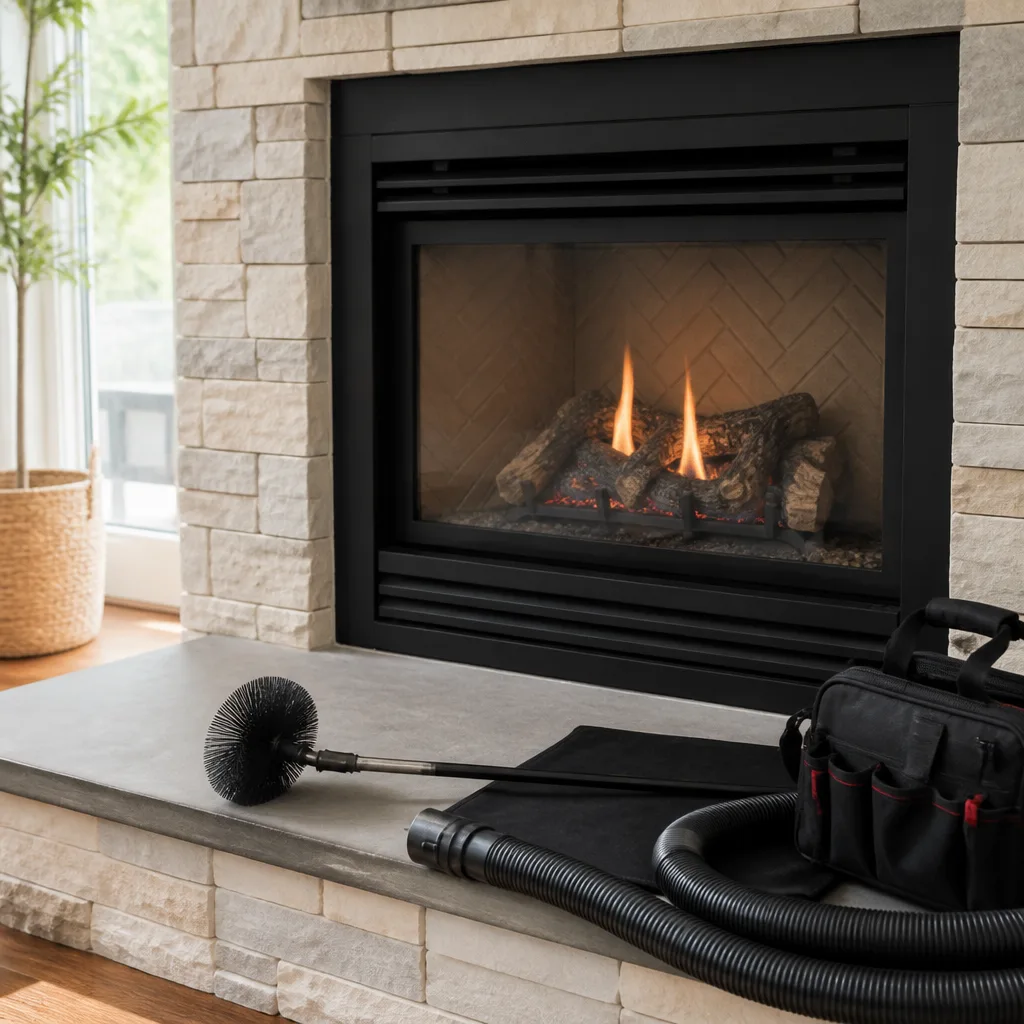
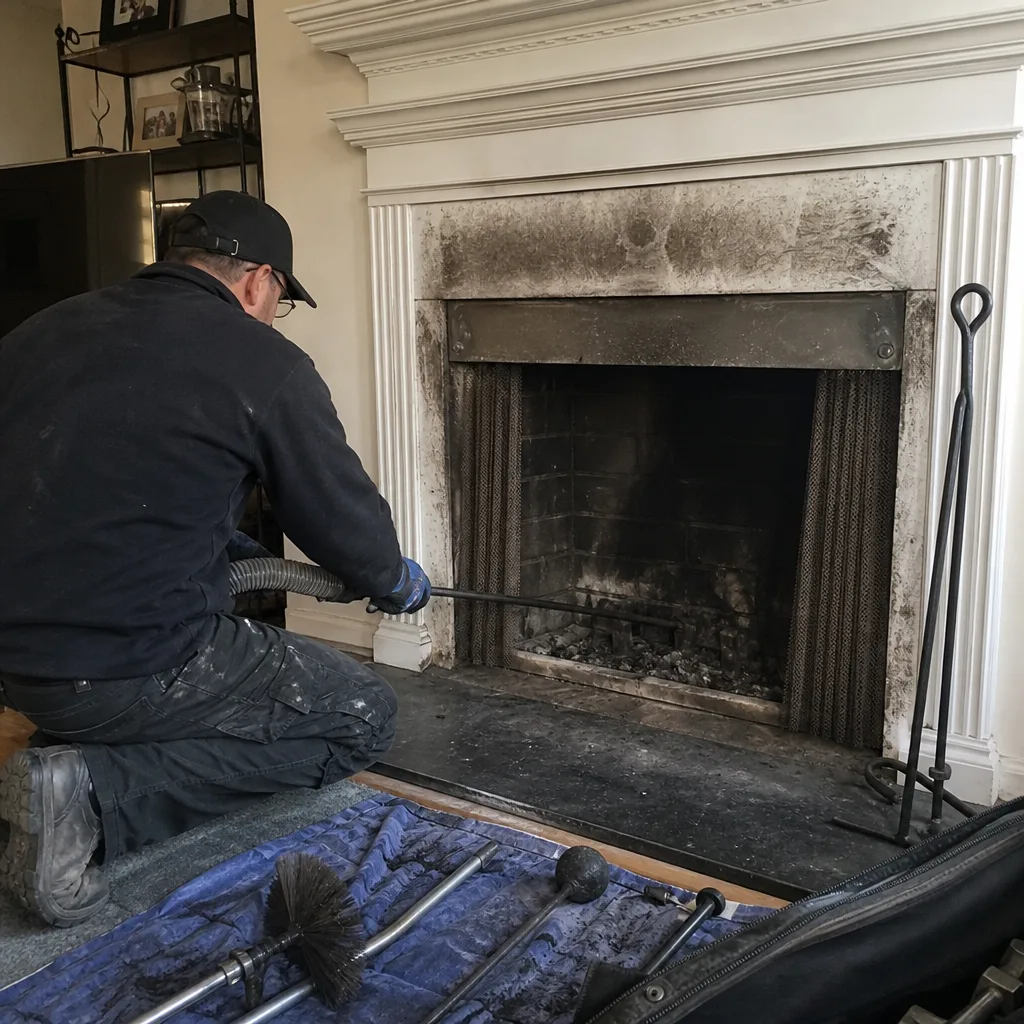
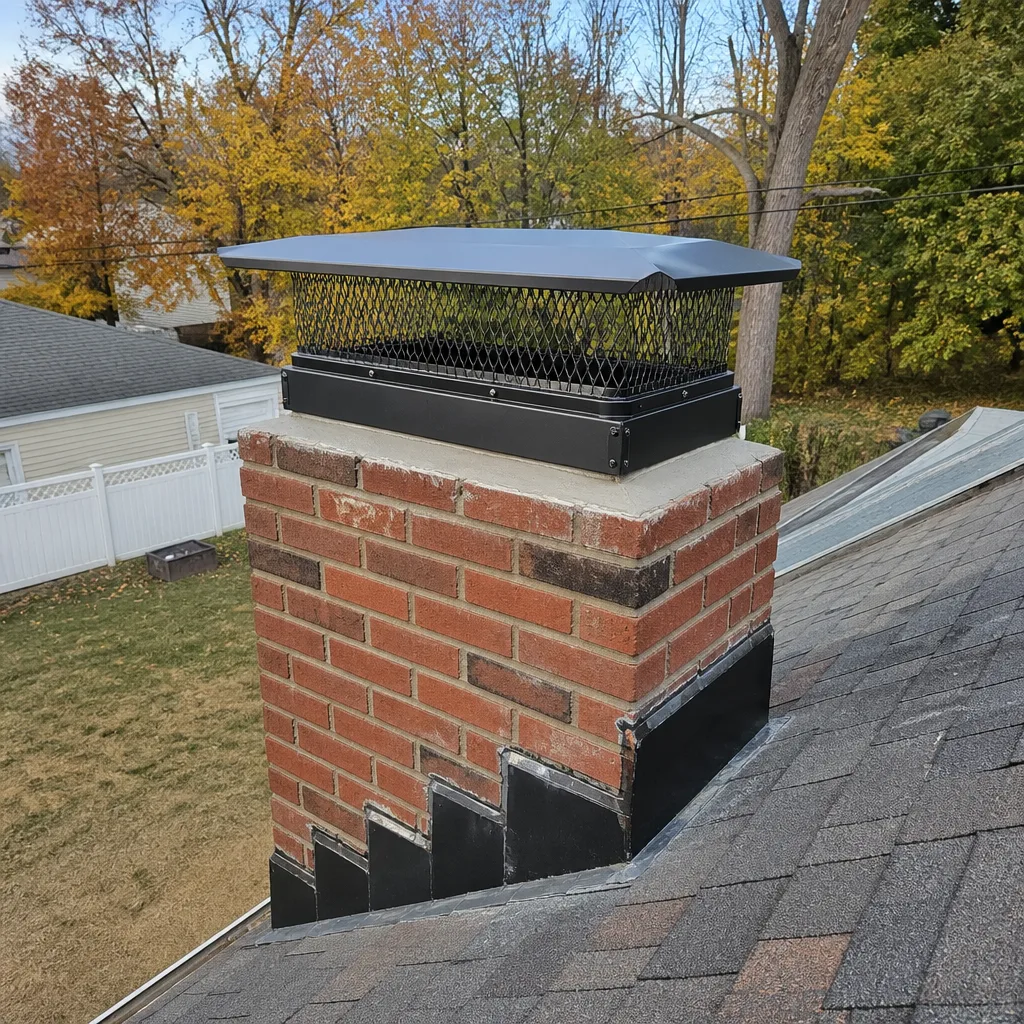
Level 1 sweep and inspection to the NFPA 211 annual standard - flue, crown, cap, and flashing checked and photographed
Chimney sweep logs do not sweep chimneys. They loosen some creosote - which then falls where a brush and vacuum still have to collect it.
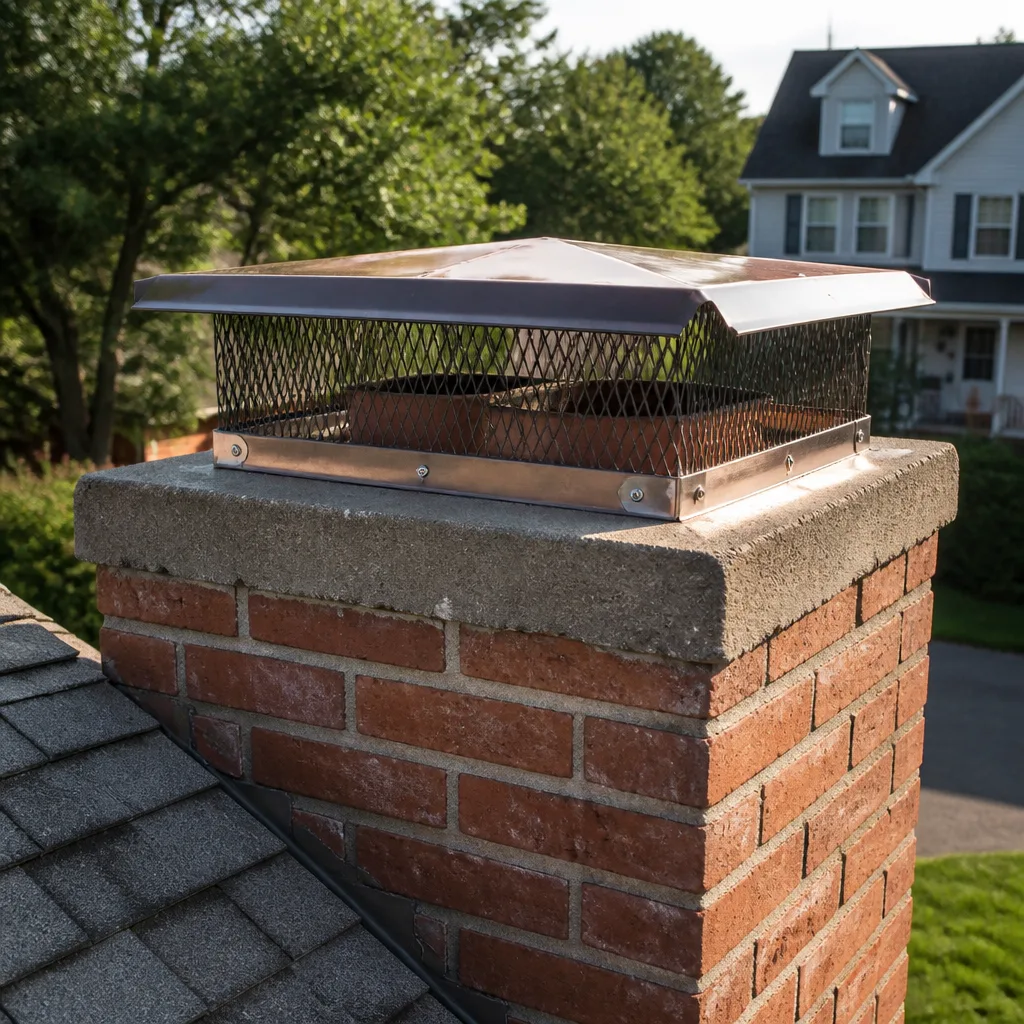
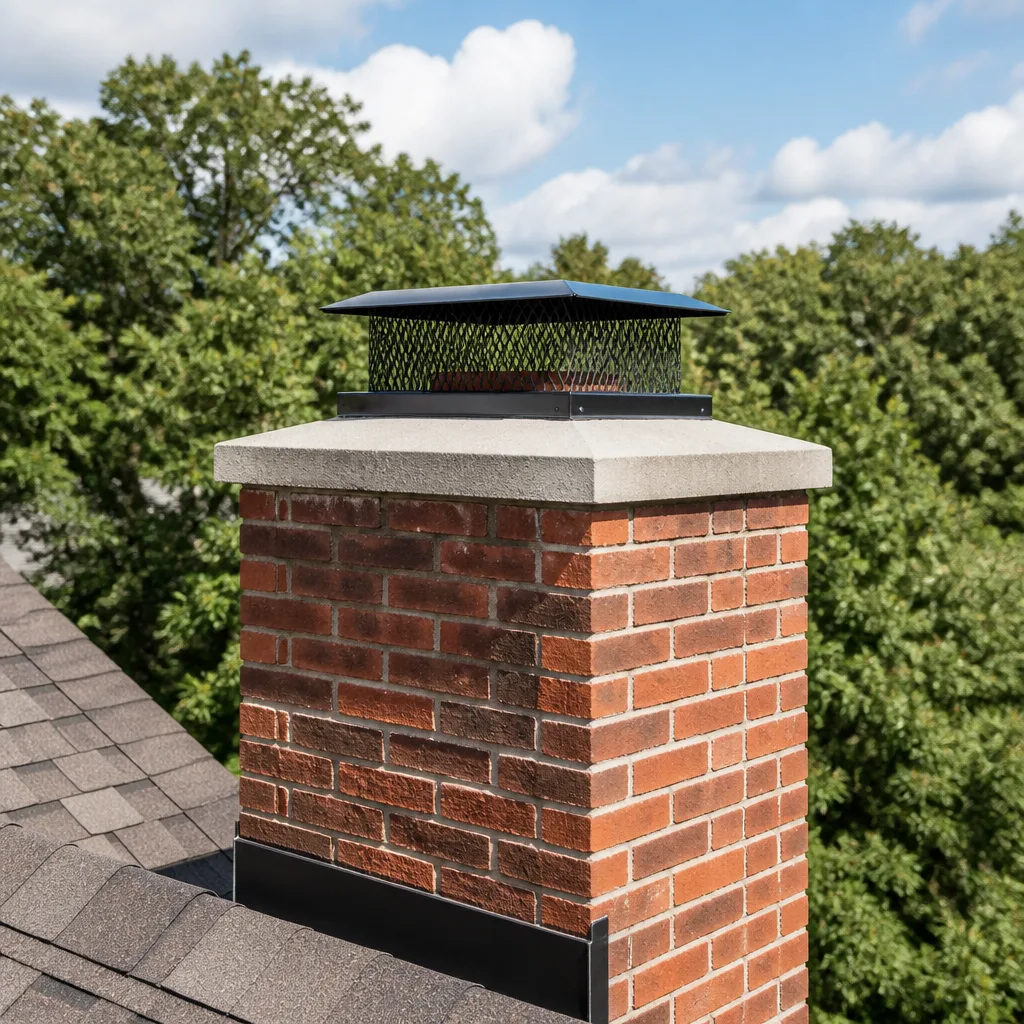
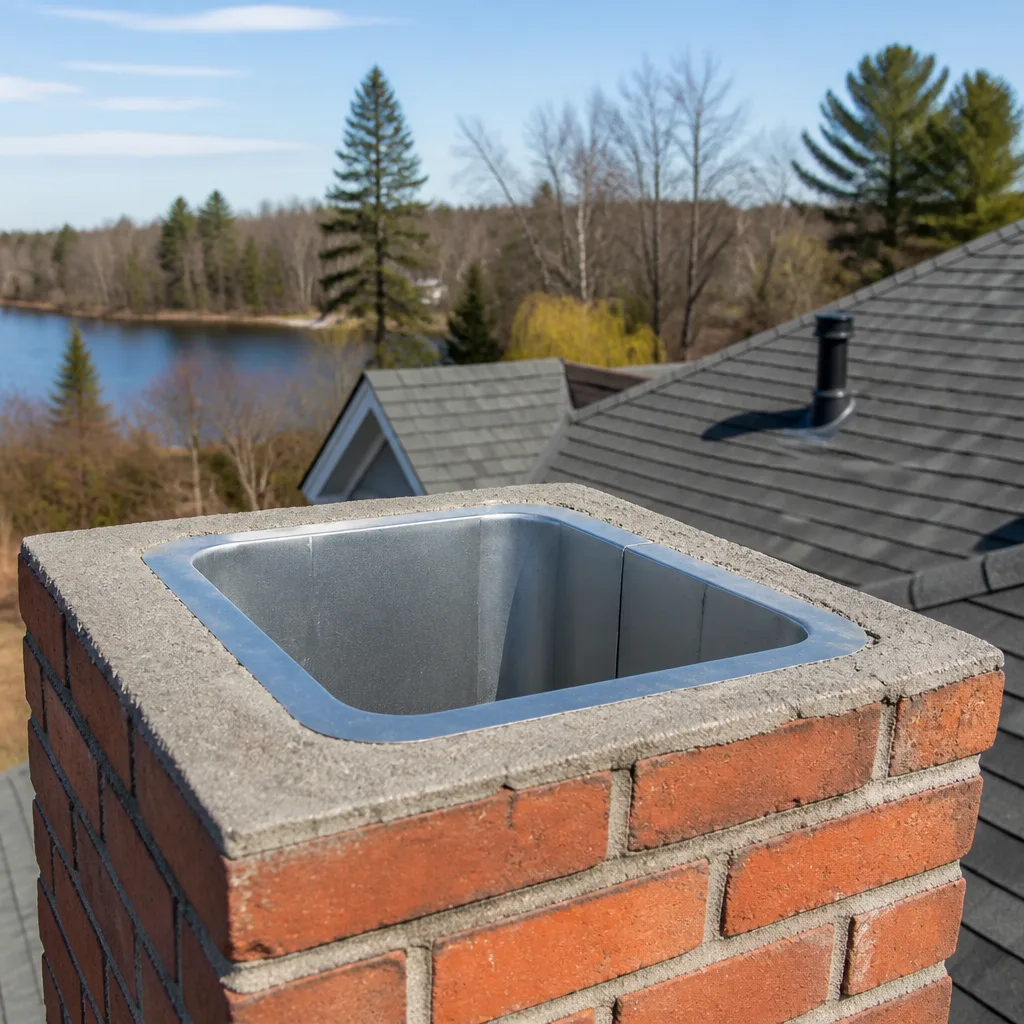
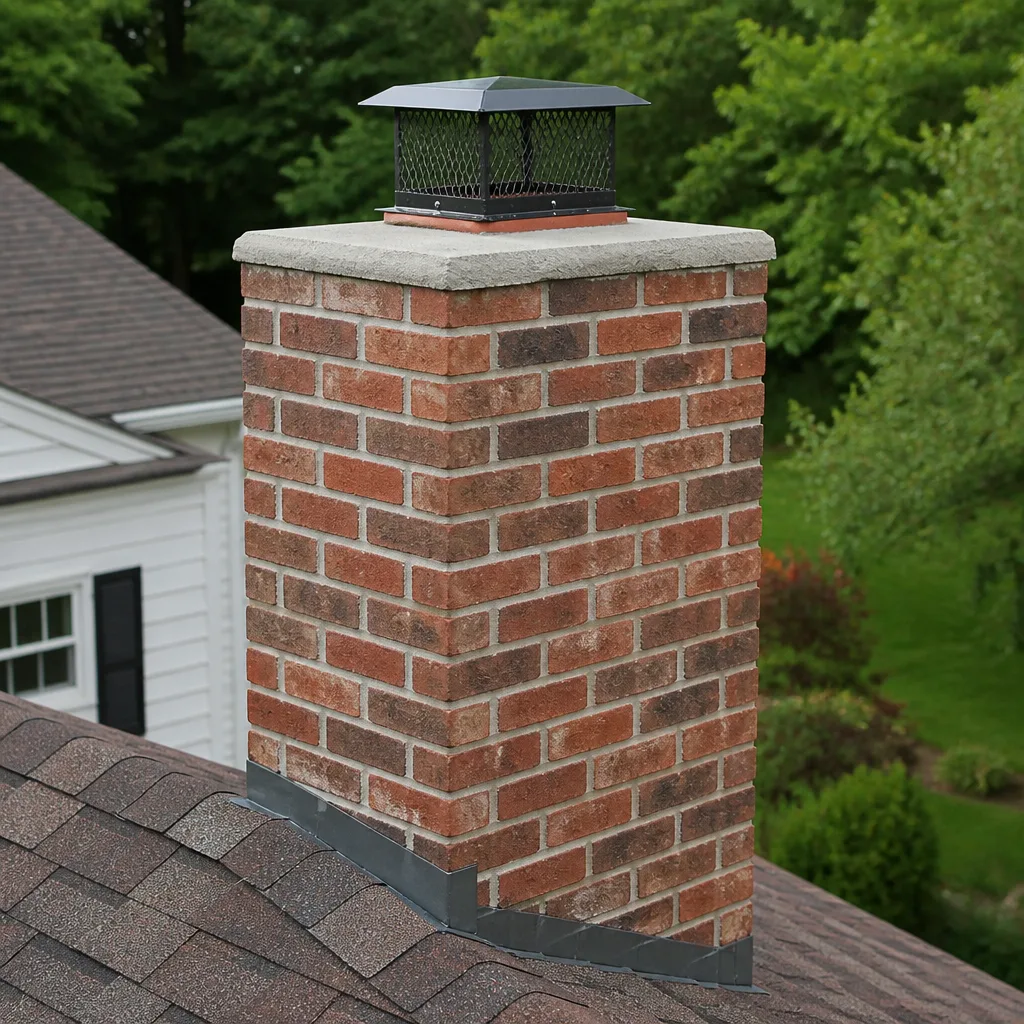
 Before
 After
After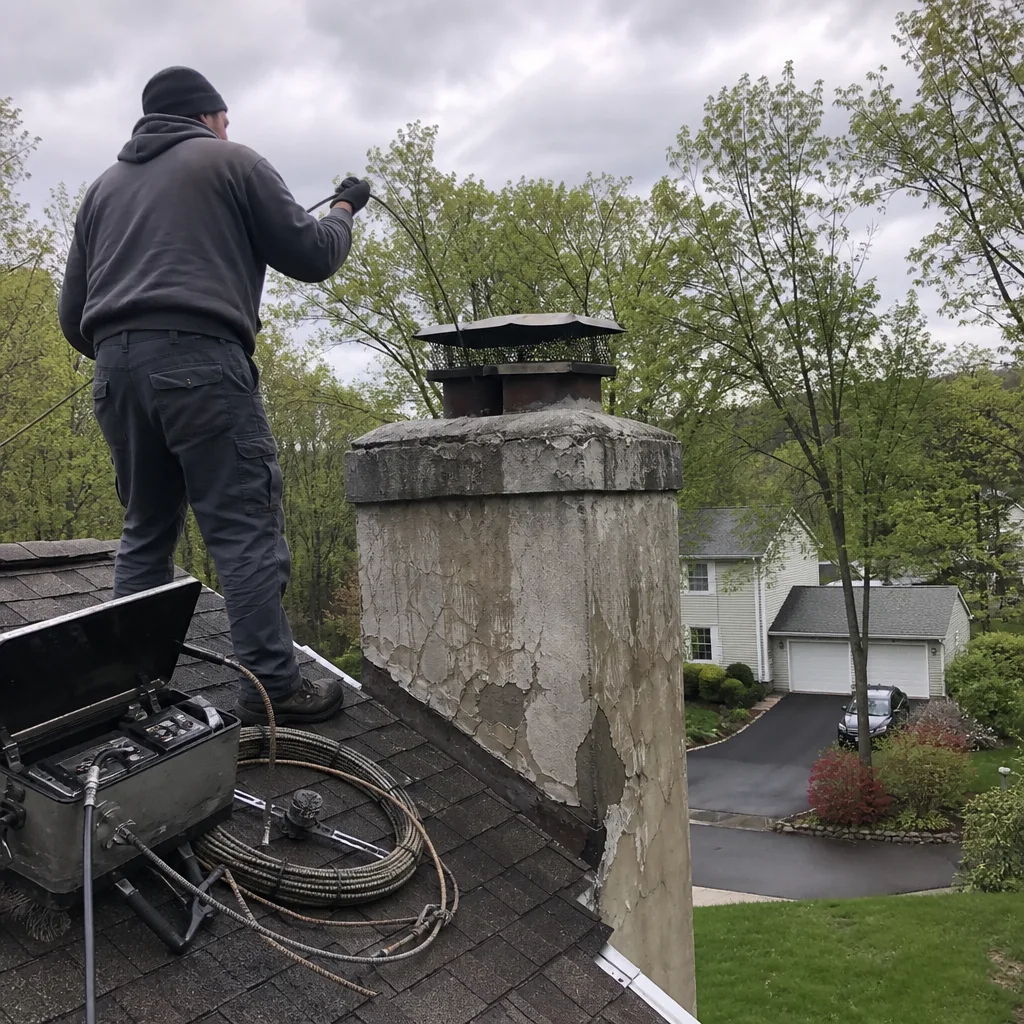 Before
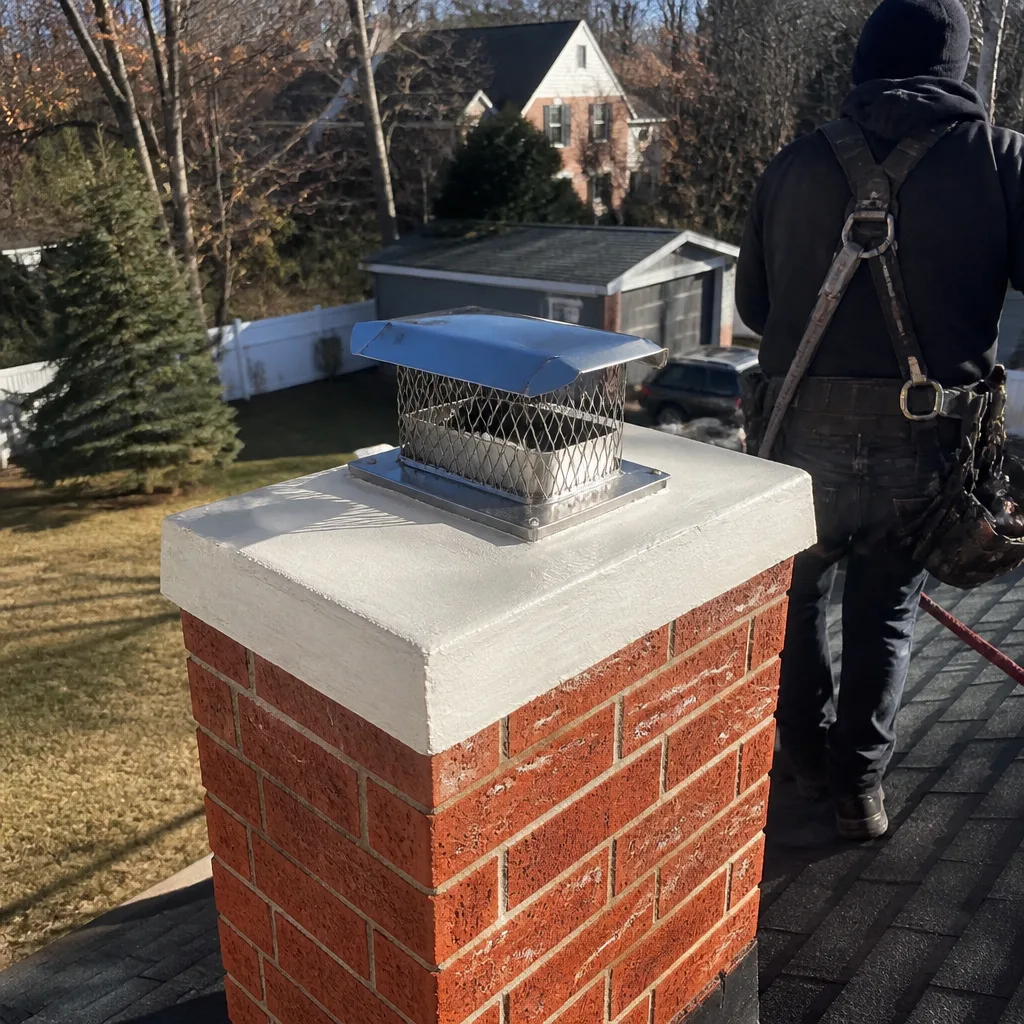 After
After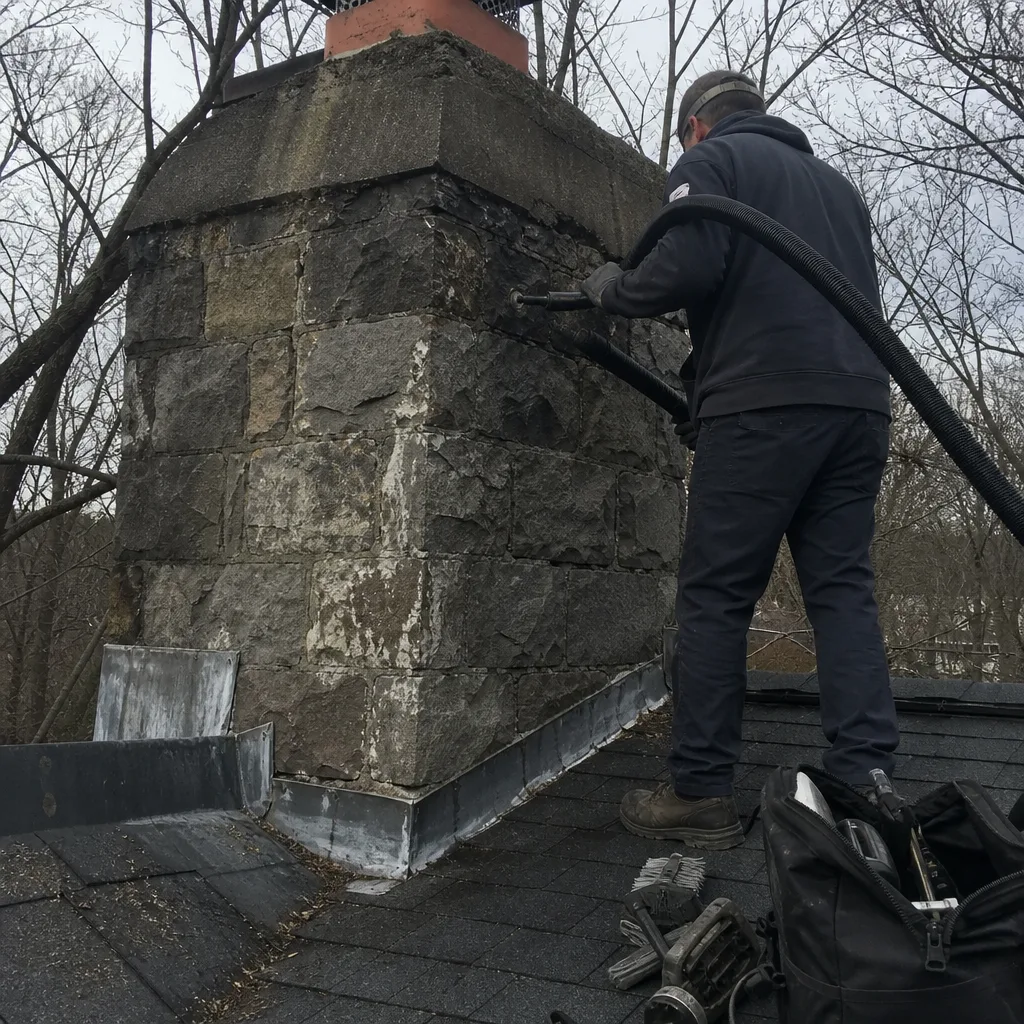 Before
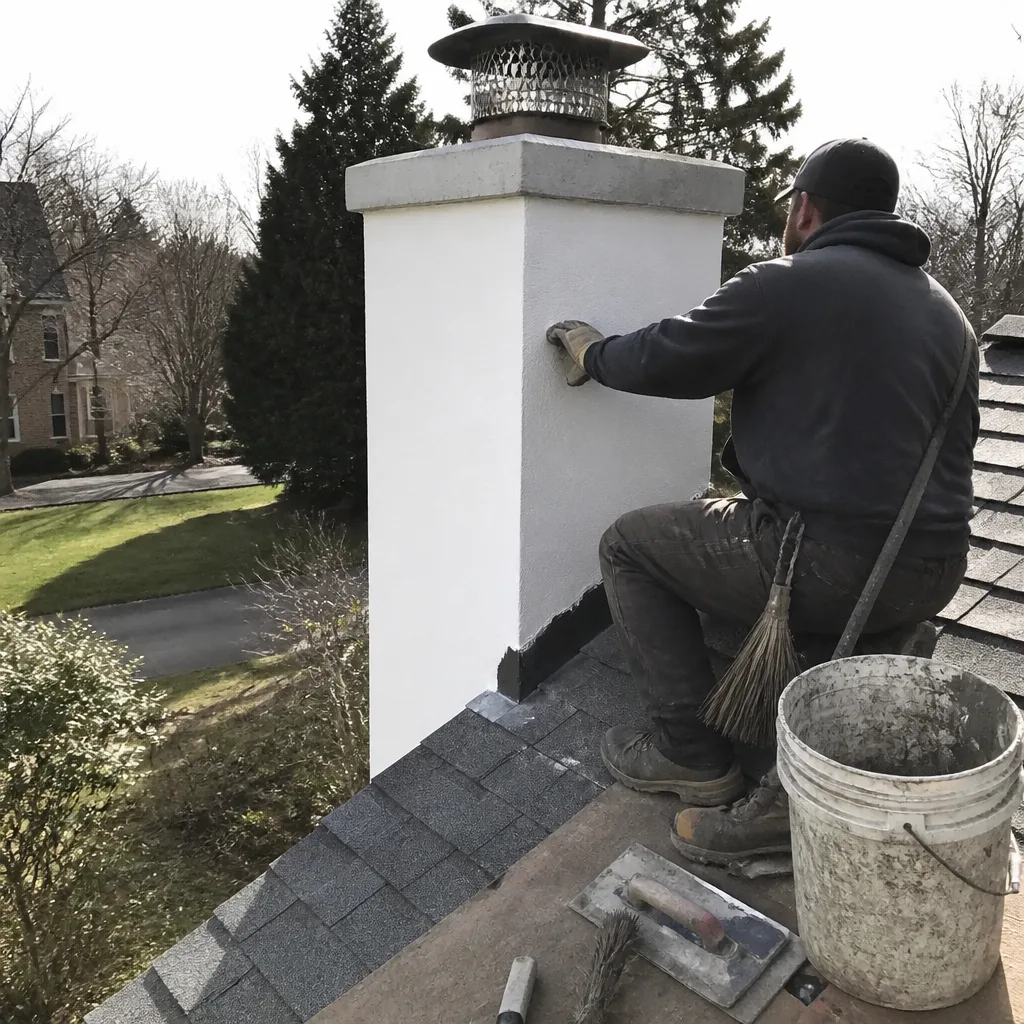 After
AfterChimney Cleaning Warning Signs: A New City Homeowner’s Reference Guide
Smoke that exits cleanly on a cold night and rolls back slightly on a mild one is not a weather problem. It is a draft problem, and draft problems have causes that cleaning or repair resolves. In New City, where many homes were built between 1950 and 1985 and still run original masonry fireplaces, the chimney is often the most neglected mechanical system in the house. It has no moving parts, makes no noise when it fails, and gives warnings that are easy to dismiss as normal. This guide translates what your chimney is actually telling you, season by season, sign by sign, and points to more guides & resources for ongoing care.
Quick Answer
Most chimneys in New City need cleaning when creosote buildup reaches one-eighth inch, typically after burning one to two cords of seasoned wood. The warning signs include smoke backup, persistent campfire odors, black oily residue at the damper, slow-to-start fires, and audible crackling during burns. Exterior signs like spalling brick, white efflorescence lines, or recessed mortar joints indicate water intrusion that compounds creosote problems and requires immediate professional evaluation.
Table of Contents
- Interior Warning Signs: What Your Fireplace and Living Space Reveal
- Exterior Warning Signs: Reading the Chimney from the Ground
- Seasonal and Explainable Versus Seasonal and Serious
- The One Warning Sign Homeowners Consistently Ignore
- Informational Signs: Schedule a Cleaning. Urgent Signs: Stop Burning Now.
- New City-Specific Risks: Climate, Housing Stock, and Local Conditions
- Common Mistakes to Avoid
- When to Call a Professional
- Frequently Asked Questions
Interior Warning Signs: What Your Fireplace and Living Space Reveal
The fireplace itself is the most reliable diagnostic tool you own. Each symptom points to a specific physical condition, and understanding the mechanism helps you respond appropriately rather than guessing.
Smoke That Doesn’t Exit Cleanly
Smoke backing into the room is the most obvious red flag, but the subtle forms matter more. Smoke that lingers in the firebox after the flue is open, or that seeps from joints in the mantel or surrounding trim, indicates a restriction or draft imbalance. The physics are straightforward: hot air rises only when it is lighter than the column of air above it. A flue partially blocked with creosote narrows the passage, increases friction, and can reverse the pressure differential on mild days when the temperature difference between indoor and outdoor air is small.
In New City, we see this most often in homes with exterior chimneys on the north side of the house. The masonry mass never fully warms during shoulder seasons, so the draft never establishes properly. A thorough cleaning removes the restriction, but if the problem persists, a chimney repair in New City may be needed to address liner damage or improper flue sizing.
The Campfire Smell That Won’t Leave
A persistent smoky or campfire odor in the house, especially noticeable on humid days or when the air conditioning runs, is creosote off-gassing. Creosote is not merely soot. It is a distillate of wood tar that exists in three stages: flaky and easily brushed, sticky and tar-like, or hardened and glazed. The second and third stages release volatile compounds at room temperature. When humidity rises, these compounds become more active and travel through microscopic gaps in the damper or into the house through the fireplace opening.
The critical distinction: odor in August versus odor in January. August odor without a recent fire means creosote is present and reacting to humidity. Schedule a cleaning before burning season. January odor during active use means the flue temperature is too low for complete combustion, which produces more creosote and increases the risk of ignition. Both warrant service, but January odor during burning demands faster response.
Black, Oily Residue at the Damper
The damper is the metal plate above the firebox that opens to let smoke out and closes to keep room air in. If you reach up with a flashlight and find a black, shiny, or tacky deposit on the damper frame or the surrounding smoke shelf, you have Stage 2 creosote. This is the most dangerous form because it has a low ignition temperature and adheres to surfaces where brushes struggle to reach.
Stage 2 creosote forms when wood burns at too low a temperature, which happens with damp wood, restricted air supply, or closing the damper too early in the burn cycle. In our experience across New City neighborhoods like DeForest Lake and the streets off South Main, homeowners who burn overnight loads to “keep the coals” produce this residue faster than those who burn hot, active fires and let the embers die.
Slow-to-Light or Struggling Fires
A fire that was easy to start last season but now requires multiple matches, newspaper rearrangements, or constant tending is telling you the flue is not drawing properly. The initial smoke from kindling is cool and dense. A clean, properly sized flue pulls it upward immediately. A restricted flue allows it to spill forward, extinguishing the fragile initial flame.
Before assuming the wood is damp, test with a single sheet of newspaper. Crumple it loosely, light it, and observe. If the flame leans toward the room and smoke exits the fireplace opening, the flue restriction is significant. If the flame pulls upward but sluggishly, the restriction is moderate. Either way, the chimney needs service.
Excess Ash and Debris in the Firebox
More than one inch of ash accumulation between burns is normal and even beneficial for insulation. But if you are finding material that looks like broken pottery, flakes of black glass, or chunks of hardened tar, these are pieces of creosote that have detached from the flue wall and fallen. They indicate buildup above that has reached structural thickness and is fracturing under thermal stress. This is advanced Stage 3 creosote, and it is the immediate precursor to a chimney fire.
Exterior Warning Signs: Reading the Chimney from the Ground
New City’s housing stock includes significant post-war construction, split-levels from the 1960s and 1970s, and earlier homes in the historic district near the courthouse. Many of these chimneys have never had comprehensive exterior evaluation. You do not need a ladder to spot the signs that matter.
Spalling Brick: The Freeze-Thaw Signature
Spalling is when the face of a brick flakes, pops, or crumbles. It occurs when water enters the brick, freezes, and expands. New City’s climate produces roughly 90 freeze-thaw cycles annually, more than enough to destroy unprotected masonry over decades. Spalling is not merely cosmetic. Each flaked face exposes fresh porous surface, accelerating the cycle, and the lost material reduces the structural mass that contains heat and protects surrounding combustibles.
Look for brick faces that appear sandblasted, corners that have rounded or disappeared, or a scattering of brick fragments at the chimney base after winter. In neighborhoods like Braeburn and the hills above Germonds Road, where wind exposure is higher, spalling progresses faster on the weather side.
Recessed Mortar Joints
Sound mortar sits flush with or slightly proud of the brick face. When mortar erodes to a depth of one-quarter inch or more, water channels into the joint, reaches the interior flue liner, and begins the cycle that destroys liners from the outside. Recessed joints also indicate that the chimney crown or cap has failed, because the top of the chimney is where water enters.
We measure mortar recession during every chimney cleaning and sweep in New City. Early tuckpointing stops the damage. Delayed response requires partial rebuild.
Efflorescence: The White Map of Water Entry
White powdery streaks or crystalline deposits on brick are efflorescence, soluble salts left behind when water evaporates. The pattern matters. Vertical streaks below the crown indicate crown failure. Horizontal bands at the roofline suggest flashing separation. Stains concentrated on one face point to a missing or damaged chimney cap on that side.
Efflorescence is not itself structurally dangerous, but it is a real-time map of water paths. Where water travels, creosote absorbs it, liner deterioration accelerates, and freeze-thaw damage compounds. We document efflorescence patterns with photos during our Level-2 inspections so homeowners see exactly where water is moving.
Crown Cracks and Cap Damage
The concrete crown is the slab that tops the chimney, sloped to shed water. A sound crown overhangs the brick by at least two inches. Cracks in the crown, especially those that run from the flue tile to the edge, allow water directly into the chimney interior. A missing or damaged cap permits rain, leaves, and animal entry.
From the ground, look for vegetation growing from the chimney top, for rust stains on the brick below a metal flue, or for pieces of concrete at the chimney base. These are all crown or cap failures. In New City, where mature oaks and maples overhang many roofs, falling branches damage caps with some regularity. We install Gelco and Olympia Chimney caps that withstand branch impact and keep the flue clear.
Rust Stains and Metal Deterioration
Red-brown streaks on brick below a metal chimney or prefabricated fireplace termination indicate that the chase cover or termination cap is rusting through. Water is reaching the metal structure, and eventually it will reach the interior. Prefabricated metal chimneys are common in New City split-levels and ranches from the 1970s. Their chase covers typically last 15 to 20 years. If your home is in that age range and the cover is original, inspection is warranted regardless of other symptoms.
Seasonal and Explainable Versus Seasonal and Serious
Some chimney symptoms vary with the calendar, and the same symptom in different seasons means entirely different things. Learning this distinction prevents unnecessary alarm and prevents dangerous complacency.
| Symptom | Off-Season (April-September) | Burning Season (October-March) | Recommended Response |
|---|---|---|---|
| Campfire/smoky odor | Creosote off-gassing in humidity; schedule cleaning | Active creosote production from low-temperature burns; clean now | Off-season: book before October. In-season: book within two weeks |
| Draft reversal, smoke in room | Stack effect in sealed house; may be normal | Flue restriction or liner damage; abnormal and hazardous | Off-season: note and monitor. In-season: stop burning, call for inspection |
| Moisture in firebox | Cap or crown failure; water entry | Condensation from cold flue; combined with creosote, accelerates corrosion | Both seasons: inspection needed, but in-season urgency is higher |
| Animal sounds in flue | Nesting season; animals present and active | Animal may be trapped or deceased; flue obstruction risk | Off-season: humane removal and cap installation. In-season: immediate service |
| White efflorescence appearance | Active water movement; map the pattern | Freeze-thaw cycle active; damage accelerating | Both seasons: inspection, but winter repair prevents spring deterioration |
The pattern is clear. Off-season symptoms are informational. They tell you what will become a problem. In-season symptoms are operational. They tell you what is already a problem. The same odor in August and January demands different timelines because the consequences of delay differ.
In New City, where burning season typically runs from the first cold snap in late October through March, we recommend scheduling cleaning in September. The flue is dry, the schedule is open, and any problems discovered can be addressed before the first fire. Waiting until November means joining the rush, and if repairs are needed, you may lose weeks of usable fireplace weather; see our DIY vs Professional Chimney Cleaning guide to decide your approach.
The One Warning Sign Homeowners Consistently Ignore
Audible crackling or popping during a fire is not wood settling. It is creosote in contact with flame, and it is the sound of a chimney fire in its earliest stage.
Homeowners delay acting on this sign more than any other because the chimney “still draws fine.” The fire is warm, the room is comfortable, and the noise is brief. They rationalize it as normal combustion sounds. It is not.
Creosote ignites at approximately 451 degrees Fahrenheit, roughly the ignition temperature of paper. A normal wood fire reaches 600 to 900 degrees in the firebox. The flue temperature is lower, but creosote deposits concentrate heat at their surface. When a crackling sound occurs, creosote has reached ignition temperature and is actively burning. The sound is the expansion of trapped gases and the fracture of creosote layers as they pyrolyze.
Most chimney fires are not dramatic events with flames shooting from the top. They are slow, sustained burns inside the flue that damage the liner, crack masonry, and create pathways for future fires to reach combustible framing. The homeowner may notice only a brief crackling, a louder-than-normal roar, or an unusual amount of smoke. Afterward, the chimney appears to function normally. The damage is hidden.
If you hear crackling or popping that you cannot attribute to a specific log shifting, the response is binary: extinguish the fire safely, do not use the fireplace again, and call for inspection before the next burn. In 42 years of service, we have inspected chimneys where homeowners reported “a little crackling last winter” and found flue tiles fractured into pieces, liner sections collapsed, and in two cases, pyrolyzed wood framing adjacent to the chimney that was within hours of ignition.
We document these conditions with our Level-2 camera inspection, showing homeowners the photos so they understand what the sound actually meant. No one should have to trust a verbal description of hidden damage. Photos you can see, a plain-English verdict.
Informational Signs: Schedule a Cleaning. Urgent Signs: Stop Burning Now.
Every warning sign falls into one of two categories. The framework is simple, and applying it removes guesswork from your decision.
Informational Signs: Book Service Within Two to Four Weeks
- Campfire odor in warm weather, no recent fire
- More than normal ash accumulation
- Slight smoke spill at fire start that clears once fire is established
- White efflorescence on exterior brick, no spalling yet
- Minor mortar recession, no loose bricks
- Damper operates stiffly or with resistance
- Last cleaning was more than two years ago with moderate use
These signs indicate conditions that will worsen but do not present immediate hazard during normal use. Schedule cleaning, mention the symptoms when you call, and expect the technician to evaluate whether additional service is needed.
Urgent Signs: Extinguish Fire, Do Not Use, Call Today
- Audible crackling or popping during active burn
- Visible flames or glowing in the flue above the fire
- Dense smoke that does not clear from the room
- Strong, hot odor with visible heat distortion or damage to mantel or surround
- Spalling brick with loose or missing pieces
- Water actively dripping into firebox during rain
- Structural lean or visible separation of chimney from house
- Animal entry with obstruction suspected
These signs indicate active hazard. The fireplace is not merely dirty; it is unsafe to operate. Extinguish any active fire with approved methods, not water on a grease-heavy creosote fire. Close the damper if it is safe to do so, which limits oxygen to any flue fire. Evacuate if smoke is heavy. Then call for emergency evaluation.
We answer calls with a live person 24 hours a day, 7 days a week. If you are unsure which category applies, describe what you are seeing. We will tell you directly whether the situation warrants immediate response or scheduled service. No pressure, no upsell, just the thing done correctly.
New City-Specific Risks: Climate, Housing Stock, and Local Conditions
New City presents a specific set of chimney challenges that generic advice misses. Understanding them helps you interpret warning signs in context.
The 1950-1985 Housing Stock
Many New City homes were built during periods when chimney construction standards were less rigorous than today. Clay flue tiles were commonly installed with incomplete mortar joints between sections, leaving gaps where creosote accumulates and water enters. Chimney crowns were often poured flat or with inadequate overhang, accelerating water penetration. These chimneys functioned adequately when new but have decades of thermal cycling and freeze-thaw damage.
In the older neighborhoods near Main Street and the streets radiating from the downtown core, we regularly find unlined brick chimneys or chimneys with original terra cotta liners that have cracked from thermal shock. A Level-2 camera inspection reveals what visual inspection cannot. We use HeatShield cerfractory sealant and DuraFlex stainless steel liners where relining is needed, materials engineered for the exact conditions these chimneys present.
Wooded Lots and Organic Debris
New City’s mature tree canopy is one of its attractions and one of its chimney hazards. Oak and maple leaves compact in flues when caps are missing or damaged. Twigs and small branches enter during storms. Organic debris combines with creosote to form dense, highly combustible blockages. We have removed squirrel nests, raccoon bedding, and in one memorable case on Call Hollow Road, a complete beehive that had sealed a flue entirely.
Hard Water and Efflorescence Acceleration
Rockland County water is moderately hard, and the mineral content contributes to efflorescence when water enters masonry. The white deposits are not merely unsightly; they indicate active water movement that carries dissolved salts and, over time, dissolves the cement matrix of mortar. Chimneys with persistent efflorescence need cap and crown service, not just cleaning.
The Hudson Valley Temperature Swing
New City’s location in the Hudson Valley produces rapid temperature changes as weather systems move through. A 40-degree drop in 12 hours is not unusual in late fall and early spring. These swings stress masonry thermally, opening hairline cracks that close again but never seal completely. Each cycle admits more water, more freeze-thaw damage, more liner deterioration. Annual inspection catches this progression before it becomes visible from the ground.
Common Mistakes to Avoid
- Assuming a gas log fireplace needs no service. Gas fireplaces produce corrosive condensation and can block vents with debris. The signs are different but equally serious: soot on glass, delayed ignition, or a sulfur odor all indicate malfunction. Annual inspection applies to all fuel types.
- Cleaning the firebox but ignoring the flue. A clean firebox is satisfying but irrelevant to chimney safety. Creosote accumulates in the flue, on the smoke shelf, and in the damper assembly. These areas require professional equipment to reach and evaluate properly.
- Using chimney cleaning logs as a substitute for sweeping. These products may loosen light creosote but do not remove Stage 2 or 3 buildup and provide no inspection of liner condition. They are not recognized by the Chimney Safety Institute of America as adequate maintenance.
- Waiting for visible smoke backup before acting. By the time smoke enters the room, restriction is severe. The earlier signs, odor and draft sluggishness, are the meaningful warnings. Responding to them prevents the dramatic symptom entirely.
- Hiring based on the lowest quote without verifying credentials. In New City and throughout Rockland County, verify that your sweep is CSIA-certified and carries general liability and workers compensation insurance. Ask for proof. A legitimate professional provides it without hesitation.
- Ignoring exterior signs because the fireplace works fine. Spalling brick and recessed mortar do not affect draft until they affect liner integrity. By then, water has done years of damage. Exterior maintenance is chimney maintenance.
- Assuming a chimney fire will be obvious. Most are not. The slow, hidden burn causes the damage that leads to catastrophic failure later. Any unusual sound, odor, or performance change during burning warrants investigation.
When to Call a Professional
Call when you observe any urgent sign listed above, when informational signs persist for more than two weeks, or when your last professional service was more than two years ago. If you have purchased a home in New City and have no record of prior chimney service, schedule inspection before the first fire regardless of apparent condition, and read our step-by-step guide to hiring a chimney contractor to choose the right provider.
Hearthstone Chimney Co. offers free estimates in New City. Call (845) 599-0930. A live person answers every call, 24 hours a day, 7 days a week. Our background-checked, uniformed technicians complete most jobs in a single visit, with no-hassle upfront pricing. The number on the estimate is the number on the invoice. Every inspection includes photos you can see and a plain-English verdict. All work is covered by our 90-Day Done Right Promise, in writing, no arguing. If it is not right, we come back.
Frequently Asked Questions
A standard chimney sweep and Level-1 inspection in New City typically ranges from $175 to $275, depending on accessibility, flue condition, and whether the chimney serves a fireplace, stove, or insert. Level-2 camera inspections, recommended for property transfers or when hidden damage is suspected, range from $250 to $400. We provide exact quotes before booking, and our $89 Seasonal Tune-Up offers comprehensive service at a reduced rate during early booking periods. Call (845) 599-0930 for a free estimate.
The National Fire Protection Association recommends annual inspection and cleaning as needed. For New City homeowners who burn one to two cords of seasoned hardwood per season, cleaning is typically needed annually. Those who burn more, burn softwood, or use the fireplace as primary heat should consider mid-season inspection. Gas fireplace chimneys need annual inspection despite producing no creosote, as corrosion and debris create separate hazards.
You should never accept a liner recommendation without photographic evidence. At Hearthstone Chimney Co., our Level-2 inspection produces dated photos of the flue interior that we review with you on site. A liner is needed when the existing clay tile is cracked, missing sections, or coated with glazed creosote that cannot be removed; when the chimney is unlined brick; or when a new appliance requires a correctly sized flue. We show you exactly what we see, explain why it matters, and indicate when work can safely wait versus when it cannot. No recommendation without camera evidence you can see for yourself.
Skipped cleaning allows creosote to accumulate to thicknesses that cannot be removed by standard brushing. Stage 3 glazed creosote requires chemical treatment or rotary removal, at significantly higher cost. More seriously, accumulated creosote ignites at lower temperatures and burns with greater intensity, increasing the risk of chimney fire and the severity of damage if one occurs. Water entry combined with creosote accelerates liner corrosion. Deferred maintenance typically converts a $200 cleaning into a $2,000 repair or a $5,000 rebuild. The chimney does not heal itself.
Summer humidity activates creosote volatiles that winter dryness does not. Additionally, air conditioning creates negative pressure in the house that draws air down the chimney, bringing odors with it. The smell is not worse because there is more creosote; it is worse because conditions favor its release. A thorough cleaning removes the source, and a proper damper seal or top-sealing damper prevents reverse airflow. In New City’s humid July and August, this is one of our most common calls.
We do not recommend it. Roof work is hazardous, and the meaningful evaluation requires a camera system that can navigate flue bends and document liner condition. What you can do from the ground, as described in this guide, is observe exterior signs and monitor interior performance. Leave flue evaluation to equipped professionals. If you suspect urgent problems, call before attempting any access yourself.
The Bottom Line
Your chimney communicates in quiet, incremental signs that are easy to rationalize until they become expensive or dangerous. Smoke that behaves differently by season, odors that persist, exterior masonry that deteriorates, and sounds that should not occur during burning are each specific messages with specific meanings. Learning to read them lets you respond appropriately, schedule service when it is preventive rather than emergency, and maintain the system that keeps your home safe through every New City winter.
The craftsmen’s approach is patient observation, honest assessment, and work that does not need to be redone. That is what we have offered for over 42 years. Done right, and we stand behind it.
Ready for a thorough evaluation? Call Hearthstone Chimney Co. at (845) 599-0930 for your free estimate. A live person answers every call, day or night. Or visit our Hearthstone Chimney Co. home page to learn more about our services, including fireplace services in New City and complete chimney care.
Written by Russell Haines, Owner at Hearthstone Chimney Co., serving New City since 2014.