
Last updated September 10, 2026
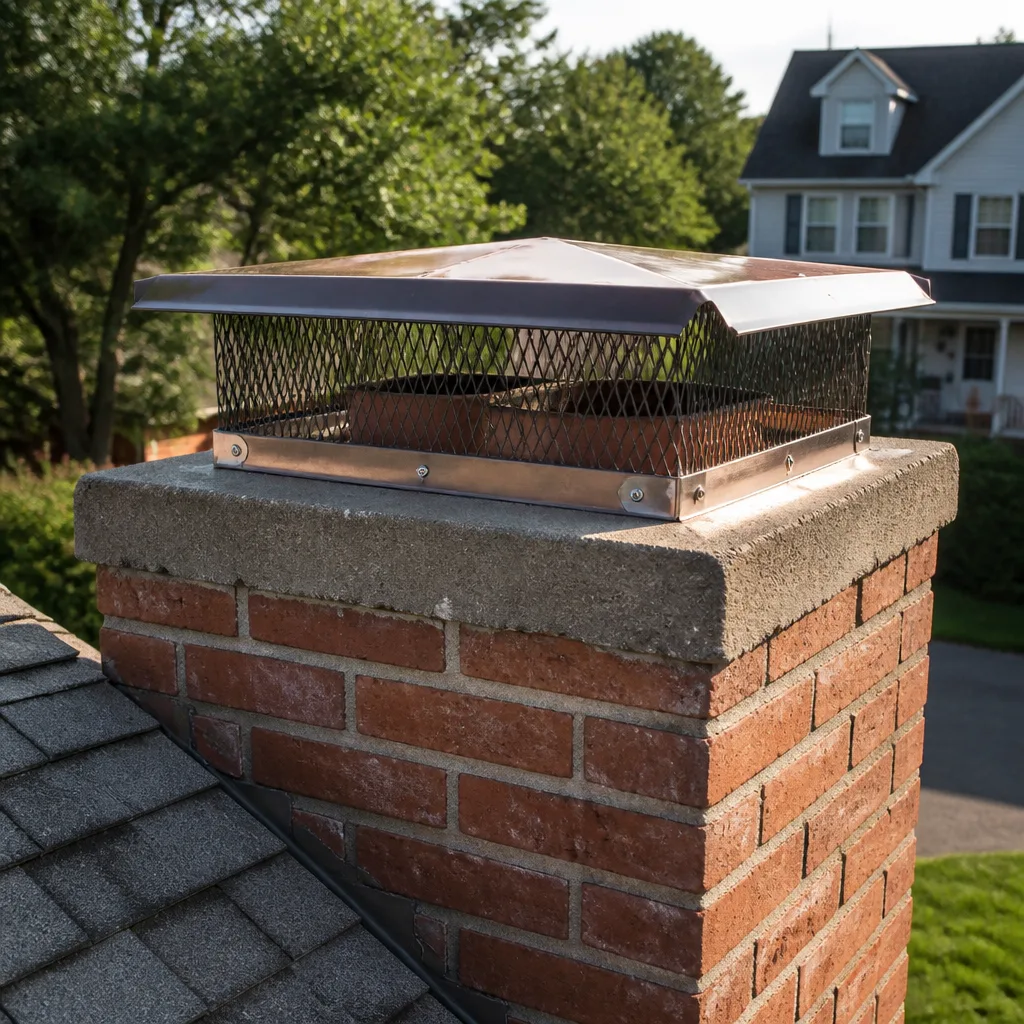
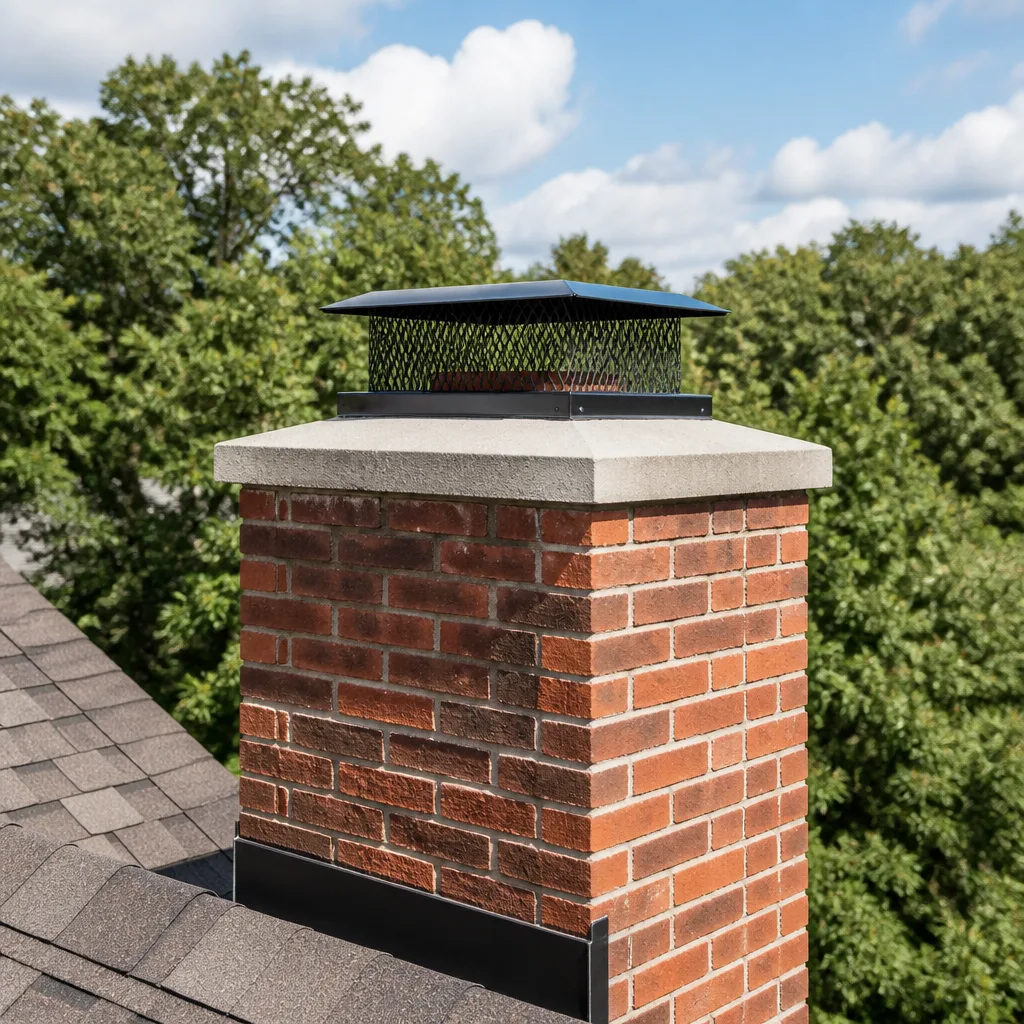
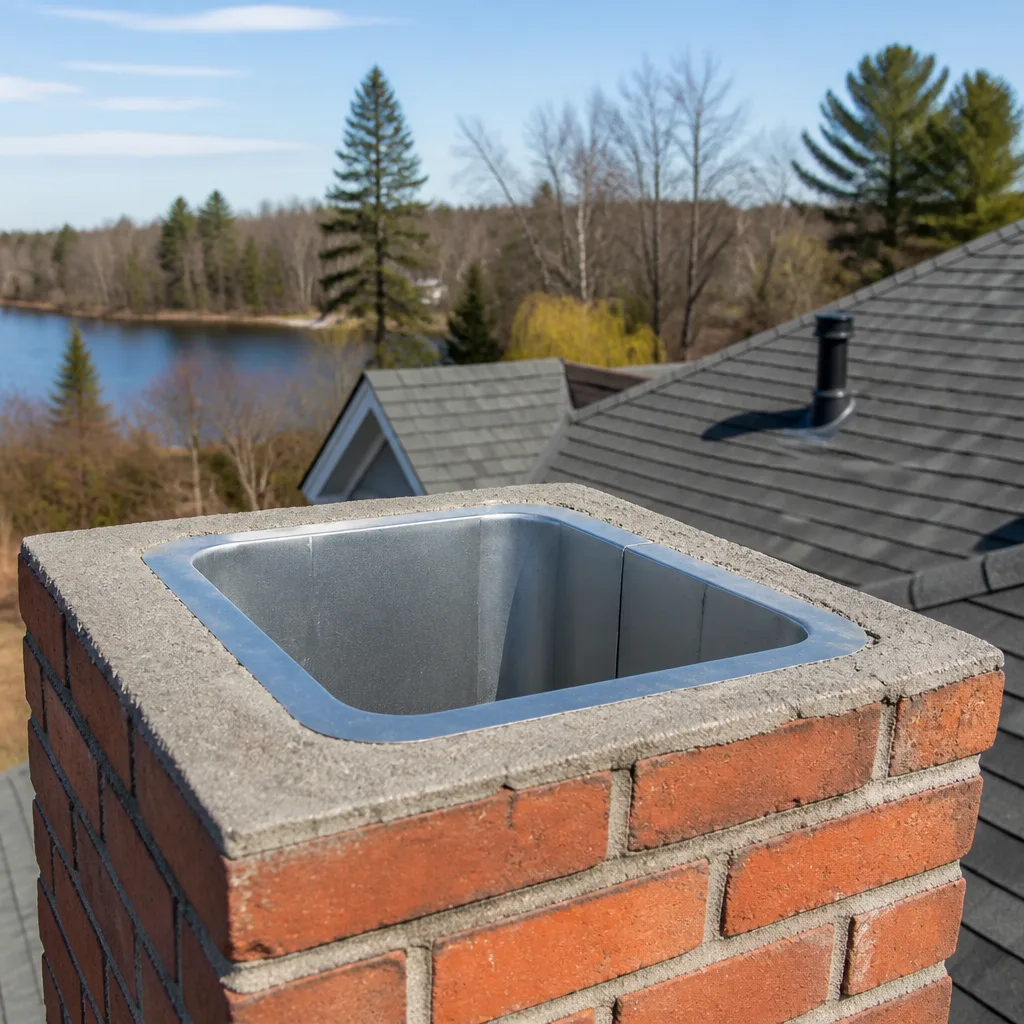
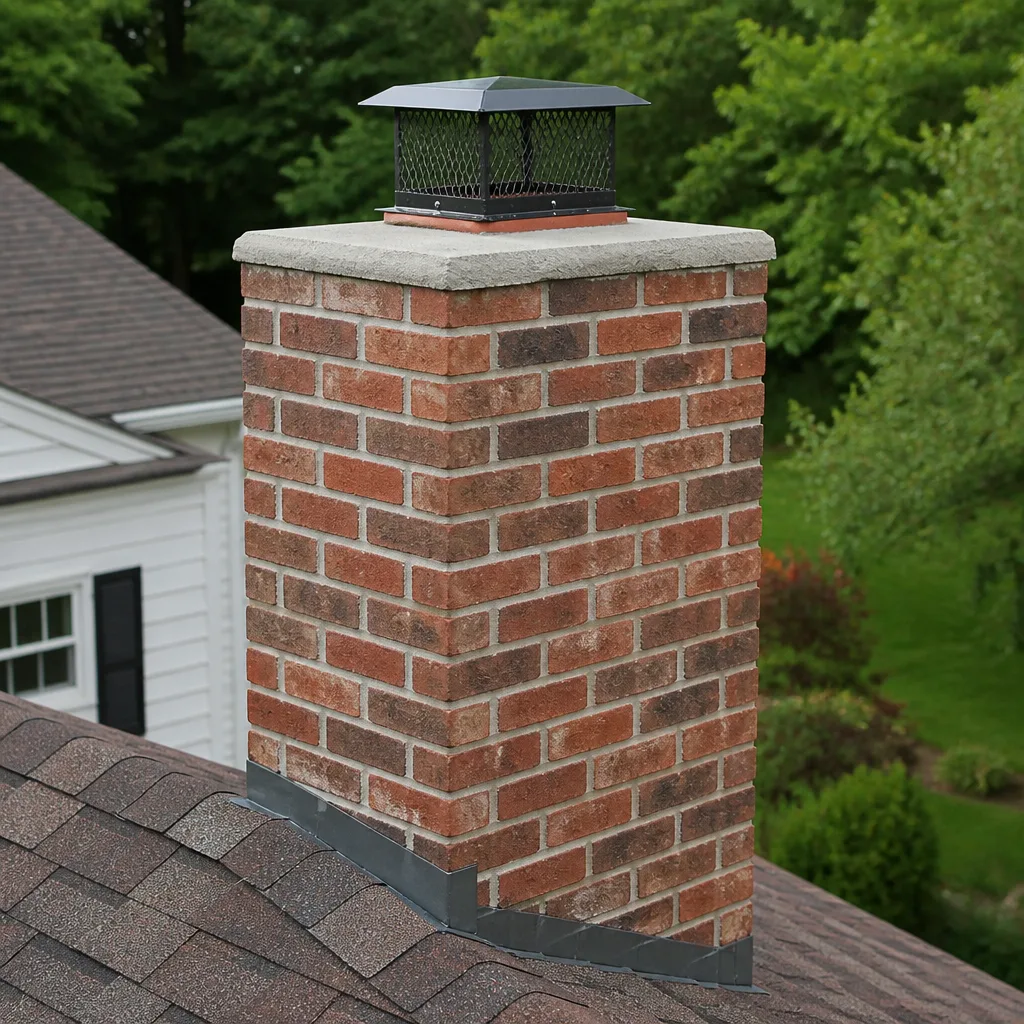
Level 1 sweep and inspection to the NFPA 211 annual standard - flue, crown, cap, and flashing checked and photographed
Chimney sweep logs do not sweep chimneys. They loosen some creosote - which then falls where a brush and vacuum still have to collect it.
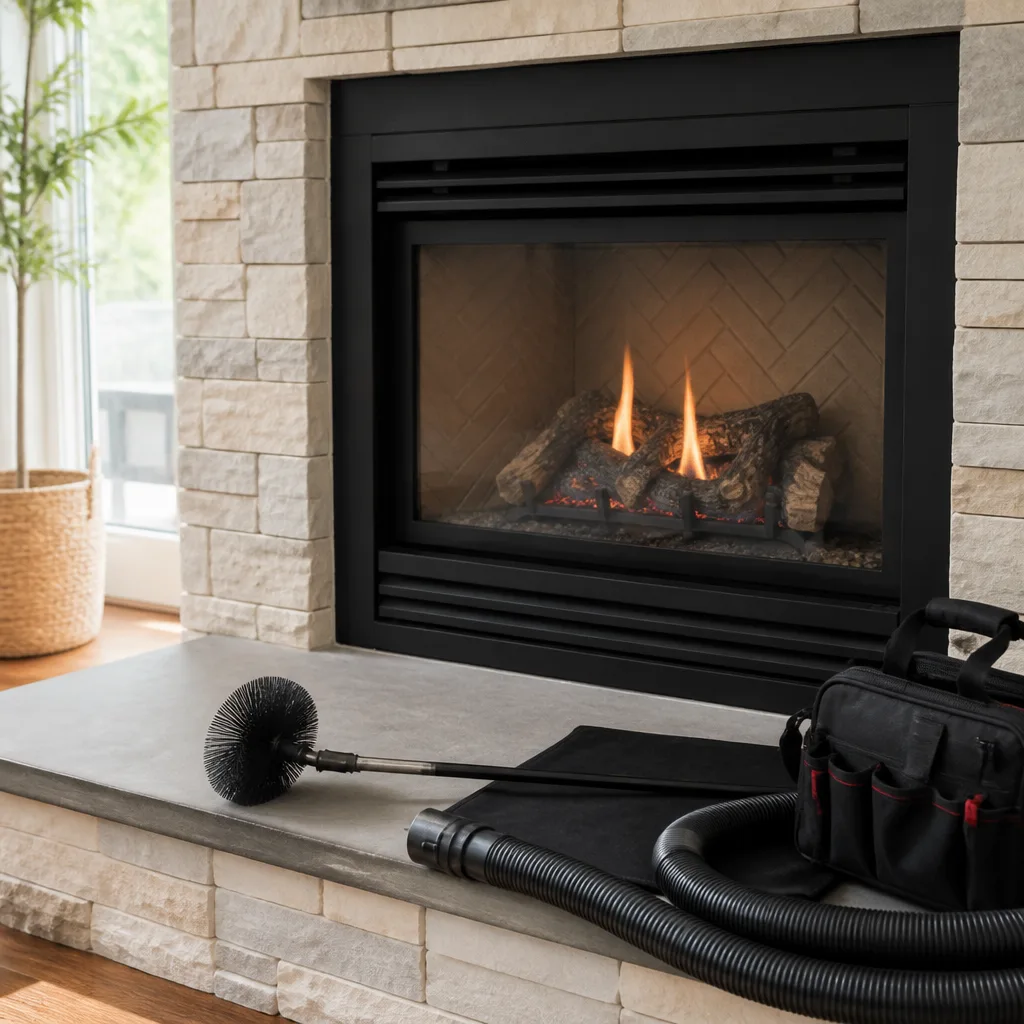
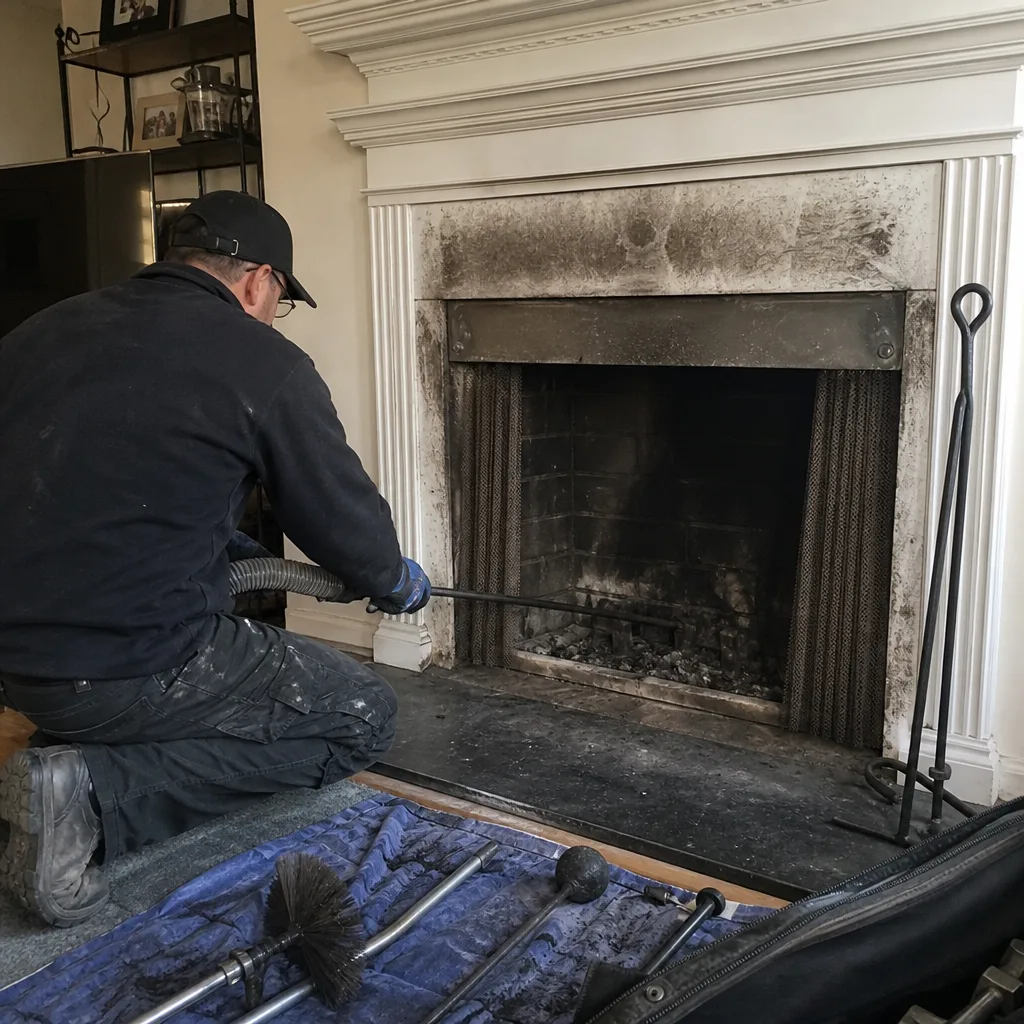 Before
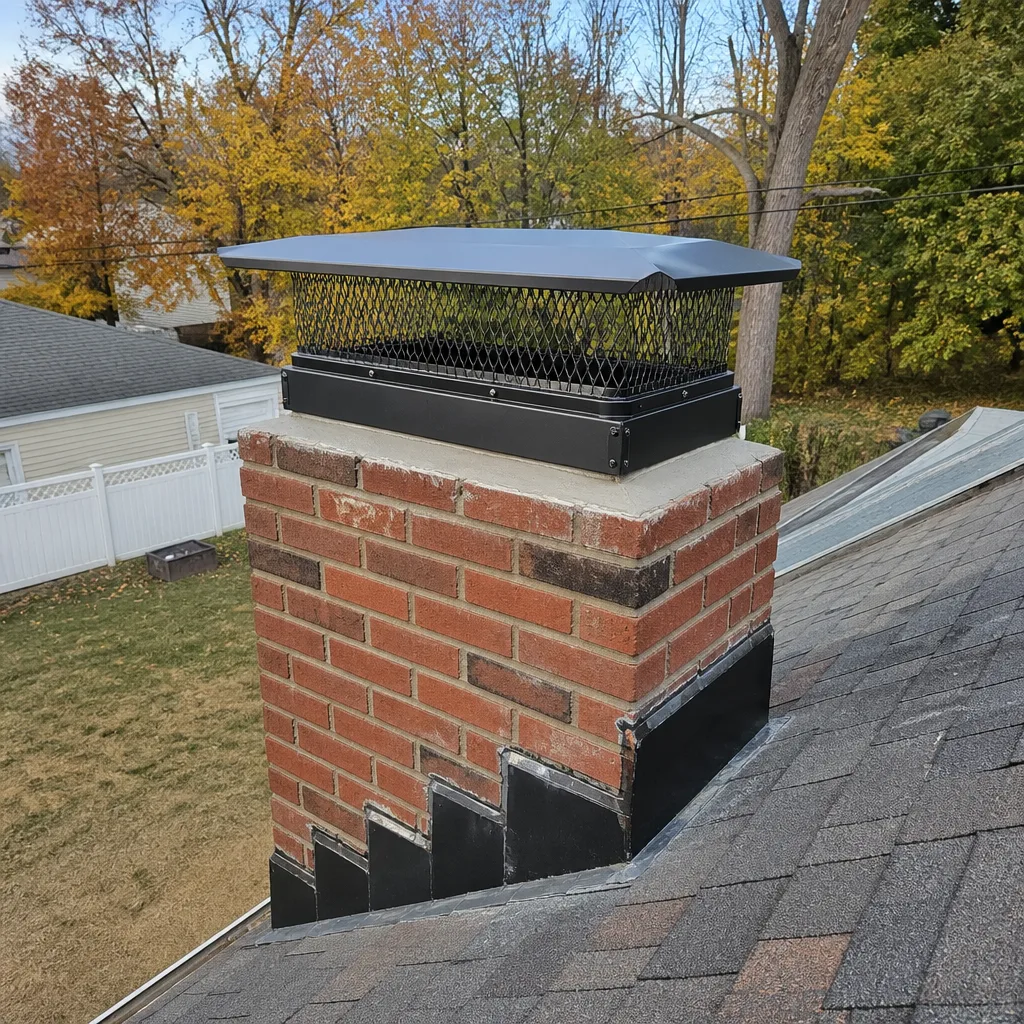 After
After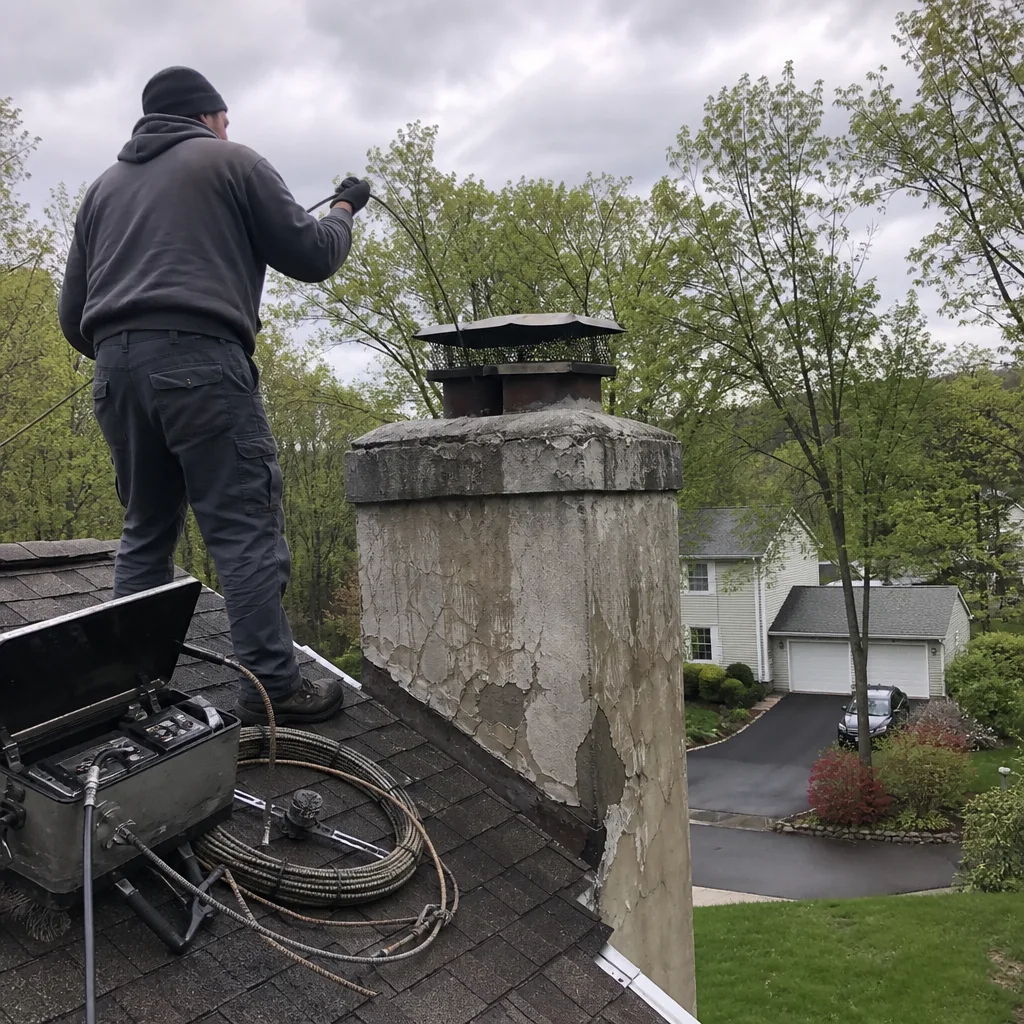 Before
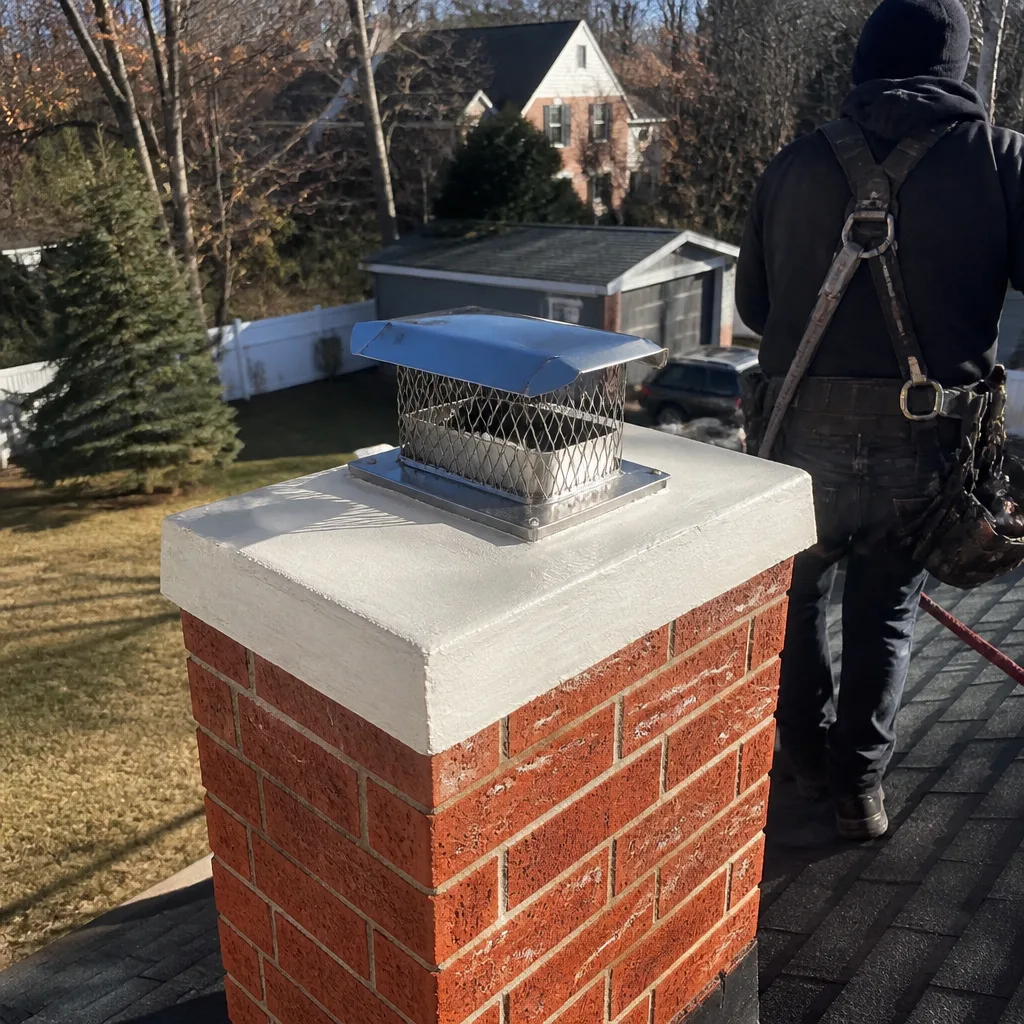 After
After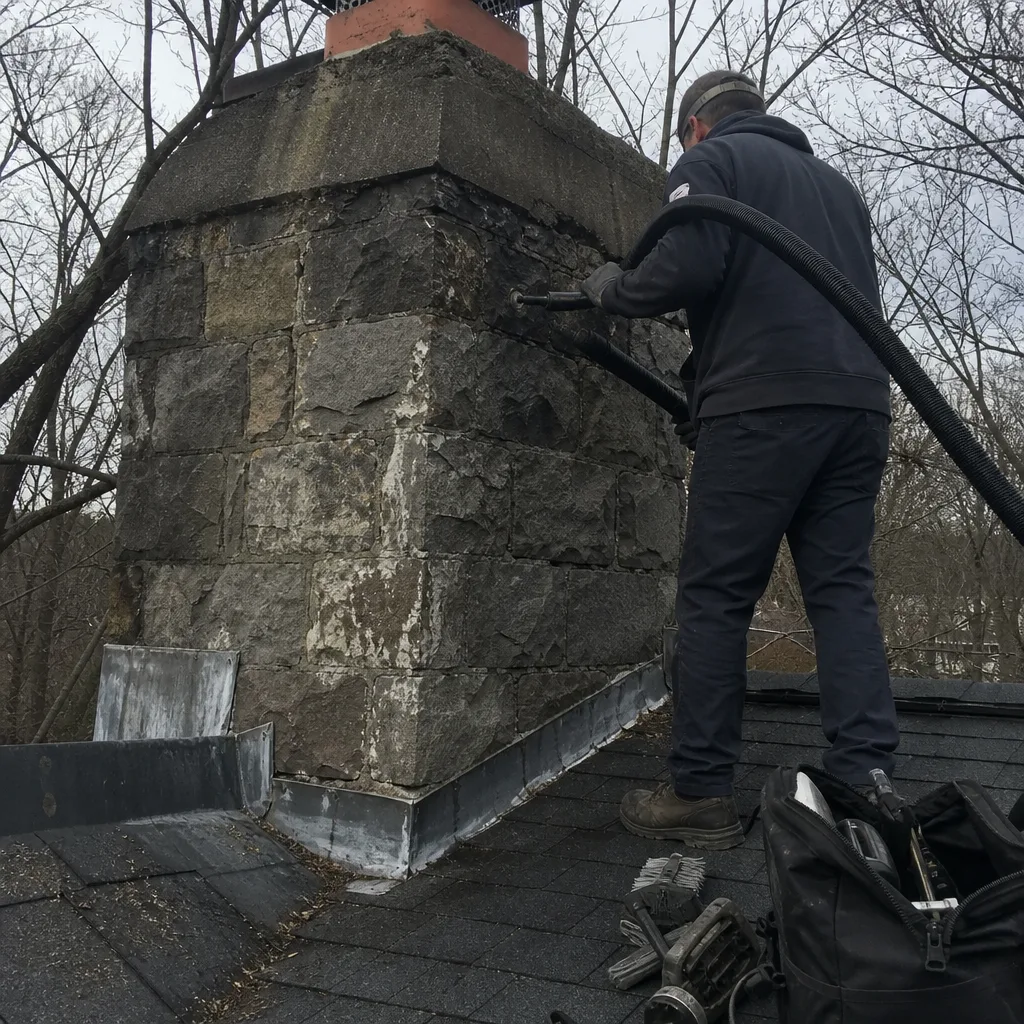 Before
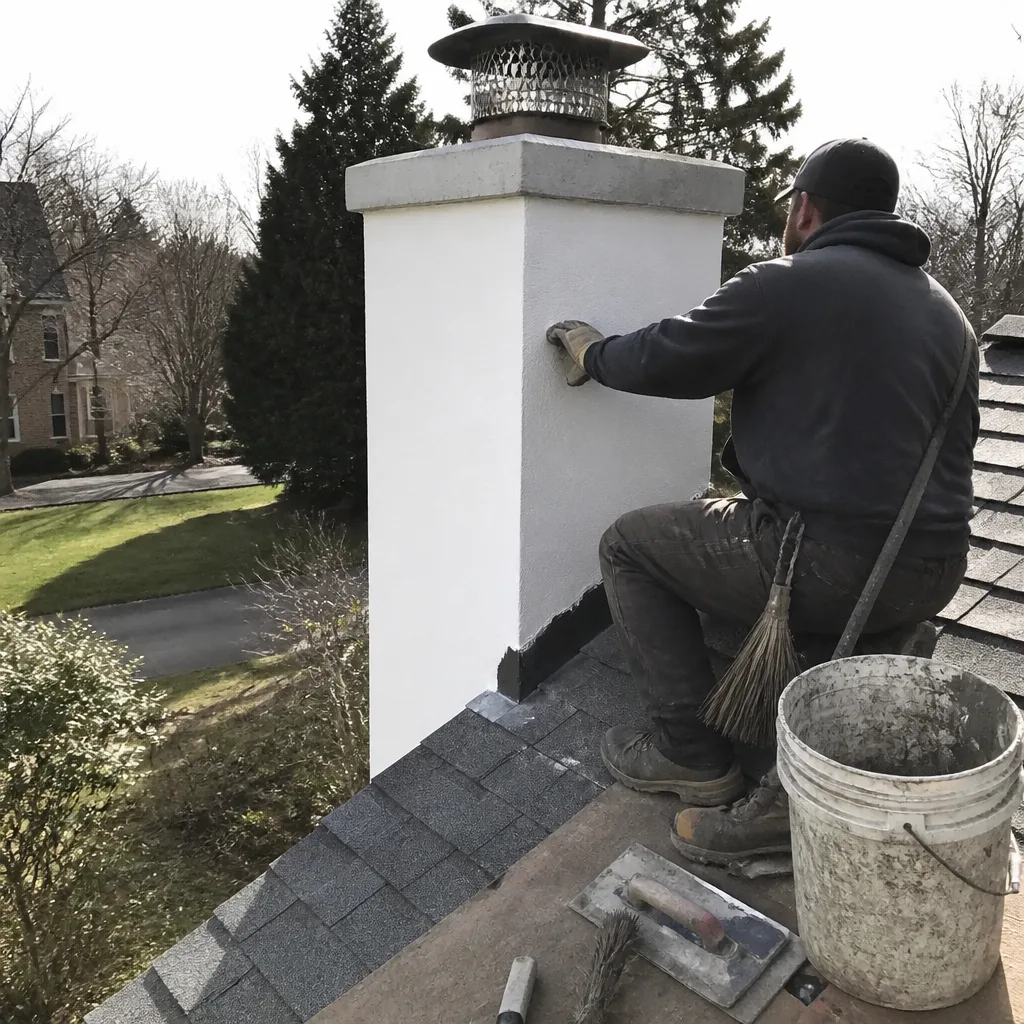 After
AfterThe Complete Guide to Chimney Cleaning in New City
The CSIA estimates that 25% of home heating fires involve chimneys that were “recently cleaned.” That statistic stops most homeowners cold, and it should. In New City, where wooded lots, older housing stock, and Hudson Valley winters create conditions unlike suburban or urban markets, cleaning itself is not the standard. What gets cleaned, how thoroughly, and whether the technician documented the work with photos and a plain-English verdict, that is what separates a safe flue from a dangerous one. This guide explains how chimney cleaning actually works for New City homes, why geography and fuel type matter more than most homeowners realize, and how to verify that the job was done right.
Quick Answer
Chimney cleaning in New City typically costs $180 to $320 for a standard Level 1 sweep with inspection, and should be performed annually for wood-burning systems and every one to two years for gas. For timing tailored to local weather patterns, see our Seasonal Chimney Cleaning Care for New City: Year-Round Homeowner’s Guide. The right method depends on your flue type, the wood species you burn, and whether your home sits on a wooded lot that cools the chimney faster and accelerates creosote buildup.
Table of Contents
- Why New City Chimneys Are Different
- How Often Should You Clean Your Chimney in New City?
- The Three Levels of Chimney Inspection
- What Actually Happens During a Professional Chimney Cleaning
- Wood Species, Creosote Grades, and When Chemical Treatment Is Needed
- The Real Cost of Skipping a Cleaning Cycle
- Choosing a Chimney Sweep in New City
- Common Mistakes to Avoid
- When to Call a Professional
- Frequently Asked Questions
- The Bottom Line
Why New City Chimneys Are Different
New City sits at the edge of the Hudson Valley Palisades, where dense oak-hickory forest meets steep, rocky terrain. This geography creates chimney conditions that differ materially from flat suburban developments or dense urban row houses. We have seen it for over 42 years: two chimneys of identical construction, one on a cleared lot in Nanuet and another surrounded by mature canopy in New City, can accumulate creosote at dramatically different rates.
Three factors specific to New City accelerate buildup:
- Taller, cooler flues. Homes on wooded lots in neighborhoods like Germonds and Mount Ivy often have chimneys that never fully warm in sunlight. A cold flue surface causes smoke to condense faster, depositing more creosote per fire than a sun-warmed flue in an open area.
- Older, unlined or partially lined masonry. Much of New City’s housing stock dates to the 1950s through 1980s, when clay flue liners were common but not universal, and parging was often skipped in hard-to-reach smoke chambers. Rough interior surfaces trap creosote. We regularly find 1970s split-levels in the Congers border area with original terracotta liners cracked by decades of thermal cycling.
- Damper wind patterns. The Palisades escarpment creates downdrafts that push cold air into flues even when dampers are closed. This keeps the flue cold between fires and increases condensation on the first warm-up burn.
These conditions mean a generic “annual cleaning” recommendation may be insufficient for some New City homes and excessive for others. The only reliable approach is inspection-based scheduling: clean when the flue needs it, not by the calendar alone.
How Often Should You Clean Your Chimney in New City?
The National Fire Protection Association recommends annual inspection for all solid-fuel chimney systems. Cleaning frequency follows from what the inspection finds. In practice, here is how New City homeowners should think about scheduling:
| Fuel Type & Usage Pattern | Recommended Inspection | Typical Cleaning Interval |
|---|---|---|
| Primary heat source, wood-burning, 4+ nights per week | Every 12 months | Annually, often mid-season |
| Supplemental wood heat, 1-2 nights per week | Every 12 months | Every 12-18 months |
| Gas fireplace, decorative use | Every 12 months | Every 2-3 years unless debris or animal nesting found |
| Gas fireplace, primary heat | Every 12 months | Annually |
| Pellet stove, regular use | Every 12 months | Annually; ash accumulation requires more frequent service |
| New home purchase, any fuel type | Before closing | As inspection indicates |
Homes on heavily wooded lots or with north-facing chimneys should lean toward the shorter end of these ranges. In the Laurel Hill area and other elevated sections of New City, we have documented creosote deposits reaching 1/4-inch thickness in a single season of weekend burning. That is not a failure of the homeowner; it is physics. Cold flues condense more smoke.
The 1/8-inch rule is concrete and useful: if creosote buildup exceeds 1/8 inch, cleaning is necessary regardless of time elapsed. A qualified technician measures this during inspection. Anyone who eyeballs it and says “you’re fine” is not doing the work.
The Three Levels of Chimney Inspection
Not every chimney needs the same scrutiny. The Chimney Safety Institute of America defines three inspection levels, and choosing the wrong one is where “recently cleaned” chimneys still fail.
Level 1 Inspection
This is a visual examination of readily accessible portions of the chimney exterior, interior, and appliance connection. No tools are used to open panels or access concealed areas. A Level 1 is appropriate when:
- The appliance or flue has not changed
- You are continuing the same usage pattern
- No performance problems, chimney fire, or external event has occurred
For routine annual maintenance of an unchanged system, Level 1 is sufficient. Most chimney cleaning and sweep appointments in New City include this as standard.
Level 2 Inspection
This includes everything in Level 1 plus examination of accessible attics, crawl spaces, and basements, and a video scan of the flue interior. Level 2 is required when:
- You have bought or sold the home
- An external event has occurred: chimney fire, lightning strike, seismic event, or significant windstorm
- You are changing appliances, fuel types, or flue liners
- Significant weather damage is suspected (common after Hudson Valley ice storms)
In New City, we recommend Level 2 for any home built before 1990 that has not had a camera inspection in the past five years. The older clay liners in this market crack predictably, and cracks are not visible from the firebox or roof. We document every Level 2 with photos the homeowner can see and a plain-English verdict. No photos, no documentation.
Level 3 Inspection
This involves demolition of permanent construction to access concealed areas. Level 3 is reserved for suspected hazards that cannot be confirmed otherwise, such as hidden fire damage inside a masonry wall. It is rare, and no competent sweep jumps to Level 3 without clear justification.
New City-specific guidance: After the hard winters of 2022 and 2023, we performed dozens of Level 2 inspections for homeowners whose chimney caps had blown off in wind gusts common to the Palisades ridge. A missing cap for even one season allows water, debris, and animal nesting. Those homeowners needed more than a brush job; they needed documentation of whether water had compromised the liner.
What Actually Happens During a Professional Chimney Cleaning
A proper chimney sweep is not a vacuum-and-brush routine performed in twenty minutes. Here is what a legitimate cleaning includes, step by step:
- Pre-work inspection and protection. The technician covers floors and furniture, inspects the firebox and damper for visible damage, and notes any conditions that would make cleaning unsafe or incomplete.
- Flue brushing with appropriate equipment. Rotary brushes sized to the flue diameter, powered or manual depending on creosote type. For clay tile liners, polypropylene brushes avoid scoring. For stainless steel liners from manufacturers like DuraFlex, softer bristles prevent damage to the alloy surface.
- Smoke chamber and firebox cleaning. The smoke chamber above the damper is where most creosote accumulates in older New City homes with corbeled brick or parged surfaces. This area requires hand brushing and HEPA vacuum extraction.
- Debris and ash removal. All material is removed from the work area, not pushed into hidden cavities.
- Post-cleaning camera inspection. The flue is scanned to confirm all deposits are removed and no concealed damage was exposed by cleaning. This step is where cracks, gaps, or deterioration become visible.
- Documentation. Photos, flue measurements, and a written verdict. The homeowner receives a copy. A receipt alone is not documentation.
The entire process for a standard fireplace flue takes 60 to 90 minutes. Rushed work misses the smoke chamber. We have cleaned behind sweeps who spent fifteen minutes at the job and left the chamber untouched. The homeowner had no way to know.
Materials matter. We use professional-grade equipment and repair materials from Copperfield, HeatShield, and Gelco because builder-grade substitutes degrade faster in the freeze-thaw cycles common to Rockland County winters. A cap that fails in three years is not a savings.
Wood Species, Creosote Grades, and When Chemical Treatment Is Needed
The Hudson Valley firewood market supplies primarily oak, ash, maple, and some pine mix. Each produces different combustion byproducts, and homeowners who understand this can reduce cleaning frequency and cost.
Hardwoods (oak, ash, maple): Burn hotter and cleaner when properly seasoned. Well-dried oak produces minimal creosote if the fire is hot enough. The problem in New City is that many homeowners burn oak that was split last spring, not the 12 months minimum required. Moisture content above 25% reverses the advantage of hardwood.
Softwoods and pine mix: Burn faster and cooler, producing more volatile compounds that condense as creosote. Pine is not inherently dangerous; unseasoned pine is. The resin in softwood does create a stickier, more tenacious deposit that standard brushing may not fully remove.
Creosote forms in three grades:
- First-degree: Sooty, powdery, easily removed with standard brushes. Indicates good burning practices and dry wood.
- Second-degree: Flaky, granular, requires more aggressive brushing. Common with cooler fires or marginal wood seasoning.
- Third-degree: Glazed, tar-like, hardened to the flue surface. Cannot be removed with brushes alone. Requires mechanical removal (chains, rotary whips) or chemical treatment to soften before removal.
li>
Third-degree creosote is where costs multiply. A standard sweep in New City runs $180-$320. Third-degree removal starts at $600 and can exceed $1,200 if the flue is long or access is difficult. The chemical treatment option, using products from manufacturers like HeatShield, requires a separate application visit and a follow-up sweep after the deposit softens. Total timeline: two to three weeks.
We see third-degree creosote most often in homes where the homeowner skipped one cleaning cycle, then burned damp wood the following season. The deposit hardens in layers. By year two, it is a renovation project, not maintenance.
The Real Cost of Skipping a Cleaning Cycle
The hidden cost is not a higher cleaning bill next year. It is structural damage that makes the chimney unsafe to use at any price.
When creosote accumulates beyond 1/4 inch, several risks escalate:
- Chimney fire. Creosote ignites at approximately 451°F. A hot fire or flue gas surge can ignite deposits. The resulting fire reaches 2,000°F, sufficient to crack clay liners, damage masonry, and penetrate adjacent framing. In New City’s older housing stock with balloon framing or minimal firestopping, this is not a theoretical risk.
- Carbon monoxide intrusion. Cracked liners or missing mortar joints allow CO to leak into wall cavities and living spaces. CO is odorless and lethal at concentrations that produce symptoms easily mistaken for flu or fatigue.
- Water damage cascade. Creosote is hygroscopic; it absorbs moisture. In freeze-thaw cycles, expanding deposits widen liner cracks and spall exterior masonry. We have rebuilt chimney crowns in New City where the root cause was creosote-saturated brick that never dried.
Insurance implications are real. Some carriers now require documentation of annual chimney inspection for wood-burning policies. A fire in an uninspected chimney can result in denied claims. The documentation we provide, photos and written verdict, satisfies this requirement.
Choosing a Chimney Sweep in New City
The chimney service market includes national franchises, single-truck operators, and established local companies. For a homeowner who intends to stay in the house, the distinction matters, and our How to Hire a Chimney Cleaning Contractor in New City: A Step-by-Step Guide walks through exactly what to look for.
Verify credentials concretely:
- CSIA certification for the individual technician performing the work, not just the company owner
- Active liability insurance and workers compensation, with certificate available on request
- Membership in the National Chimney Sweep Guild, which requires adherence to a code of ethics
Evaluate the inspection process. A legitimate sweep explains what they found, shows you photos, and gives a prioritized recommendation. A rush job gives a verbal “you’re fine” and a handwritten receipt. Ask before booking: “Will I receive photos and a written report?” If the answer is hesitant, keep looking.
Ask about materials and guarantees. What brands do they use for caps, liners, and repair products? Do they guarantee the work in writing? Our chimney repair work in New City is covered by the 90-Day Done Right Promise, in writing, no arguing. If it is not right, we come back. That promise has governed our work since 1984.
Consider availability and accountability. A live person answers our phones 24 hours a day, 7 days a week. Not because chimney emergencies only happen during business hours, but because a homeowner with a suspected chimney fire or CO alarm needs information immediately, not a callback queue.
For fireplace-specific concerns, our fireplace services in New City cover insert installation, gas conversion, and performance troubleshooting.
Common Mistakes to Avoid
- Assuming gas fireplaces need no service. Gas systems produce corrosive condensation and can accumulate debris or animal nesting. Annual inspection catches deteriorated burner ports and failed gaskets before they leak CO.
- Burning “seasoned” wood that is not. In New City’s humid summers, wood split in April is not ready by October. Buy a moisture meter. Test splits at the center, not the surface. Below 20% is the target.
- Hiring based on lowest price alone. A $99 sweep that skips the smoke chamber and provides no documentation is not a bargain. It is a deferred cost that arrives as third-degree creosote or a failed inspection at sale time.
- Ignoring wind and weather damage. The Hudson Valley sees wind gusts that dislodge caps and crack crowns. A visual check from the ground after storms is not sufficient. If water entered the flue, you need a Level 2 inspection.
- Using the chimney as a vent for other appliances. Never connect a wood stove or fireplace insert to a flue serving a furnace or water heater. The combined exhaust temperatures and pressures create unpredictable draft and CO risk.
- DIY cleaning without proper equipment. Homeowner brush kits are typically too short for full flue contact and lack the rotary action needed for glazed deposits. More critically, without a camera inspection, you cannot verify the cleaning was complete.
When to Call a Professional
Call for inspection promptly if you notice any of the following: visible creosote flakes in the firebox, smoke entering the room during use, a strong tar odor on warm days, white staining on exterior masonry (efflorescence indicating water intrusion), or any performance change after a storm or chimney fire event.
Homes in New City built before 1990, or any home with an unlined masonry flue, should schedule a Level 2 camera inspection even if no symptoms are present. The degradation is often invisible until documented.
Hearthstone Chimney Co. offers free estimates in New City. Call (845) 599-0930 to schedule. A live person answers every call, 24 hours a day, 7 days a week. We’ll be there when we say.
Frequently Asked Questions
A standard Level 1 chimney sweep with inspection in New City typically costs $180 to $320, depending on flue height, accessibility, and creosote condition. Third-degree creosote removal or Level 2 camera inspection adds $200 to $500. We provide no-hassle upfront pricing; the number on the estimate is the number on the invoice. Call (845) 599-0930 for an exact quote; estimates are free.
Wood-burning systems used as primary heat should be inspected annually and typically cleaned annually. Supplemental use may extend to 12-18 months. Gas systems need annual inspection but cleaning only every 2-3 years unless debris is found. Homes on wooded lots or with north-facing chimneys in New City often need more frequent service due to colder flue temperatures. The definitive answer comes from measuring creosote thickness during inspection.
Not always. A clay tile liner with minor cracking may be repairable with a relining system such as a stainless steel insert from DuraFlex. A liner with multiple cracks, missing tiles, or gaps at the joints needs replacement. We never recommend liner work without camera evidence you can see yourself, and we will tell you plainly when work can safely wait. Call (845) 599-0930 for a free second opinion on any written estimate.
Skipped cleaning allows creosote to harden from first-degree (powdery) to third-degree (glazed). Third-degree deposits require mechanical removal at 3-5 times the cost of routine sweeping. More seriously, accumulated creosote increases chimney fire risk and can crack liners, leading to carbon monoxide intrusion and water damage that compounds over freeze-thaw cycles. The cost of skipping is not a higher bill; it is structural damage.
Homeowners can perform basic firebox and damper maintenance, but full flue cleaning requires equipment most do not own and expertise most have not developed. For a deeper look at the trade-offs, see our DIY vs Professional Chimney Cleaning: The New City Homeowner’s Decision Guide. The greater risk is verification: without a camera inspection, you cannot confirm the flue is clean or identify concealed damage. For safety-critical systems, a trained professional is the sound choice. We do not provide DIY instructions for flue work.
A proper report includes dated photos of the flue interior before and after cleaning, flue diameter and condition measurements, a plain-English verdict on system safety, and specific recommendations with priorities. A receipt with “swept chimney” written on it is not documentation. At Hearthstone, every Level 2 inspection ends with photos you can see and a verdict you can understand. In writing, no arguing.
The Bottom Line
Chimney cleaning in New City is not a generic maintenance task. Your flue system, fuel type, wood seasoning, home’s position on the land, and the technician’s thoroughness all determine whether the job protects your home or merely checks a box. The right approach is inspection-driven, documented with photos, and performed by technicians who understand how Hudson Valley conditions affect creosote accumulation. Done right, annual chimney service is predictable and affordable. Deferred, it becomes expensive, dangerous, or both. Browse our more guides & resources to keep your system safe year-round. A square deal: no surprises on the bill, and work we stand behind.
Written by Russell Haines, Owner at Hearthstone Chimney Co., serving New City since 2014.