
Last updated September 10, 2026
Level 1 sweep and inspection to the NFPA 211 annual standard - flue, crown, cap, and flashing checked and photographed
Chimney sweep logs do not sweep chimneys. They loosen some creosote - which then falls where a brush and vacuum still have to collect it.
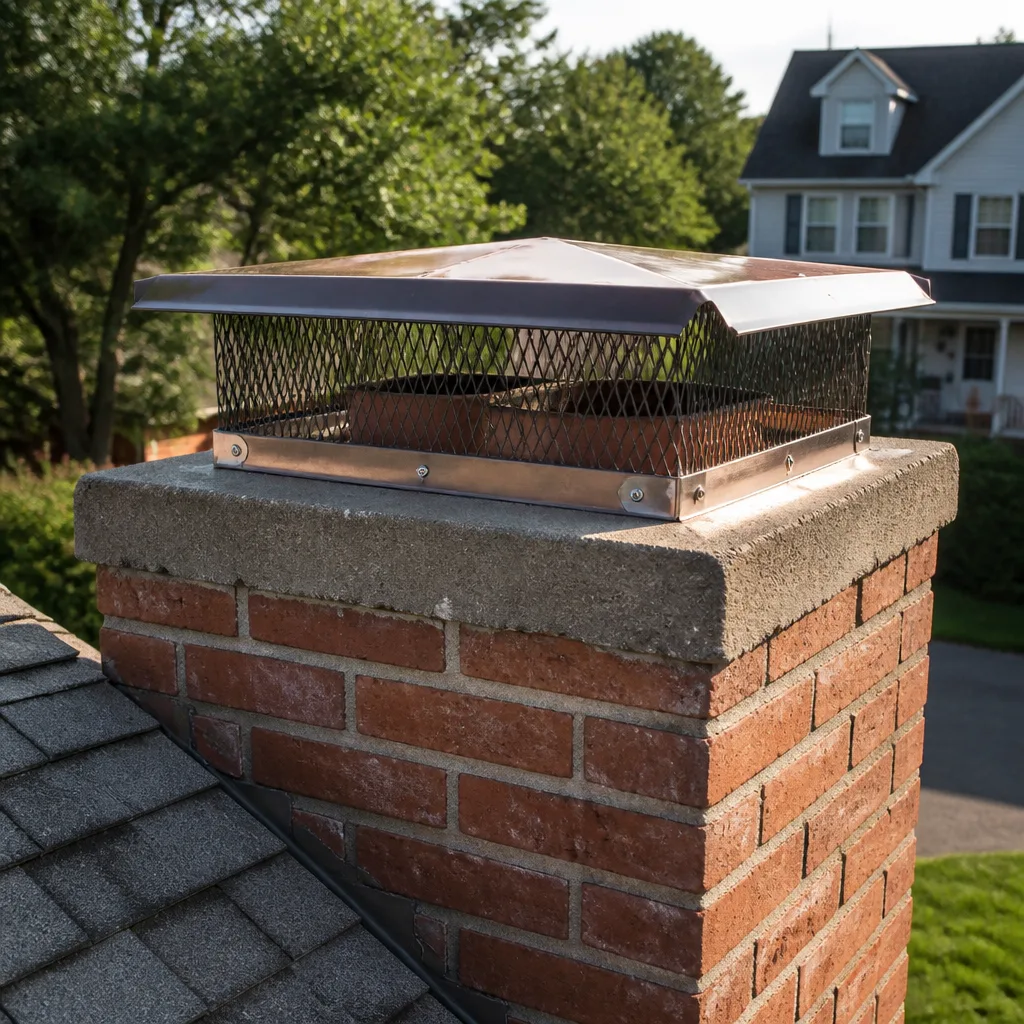
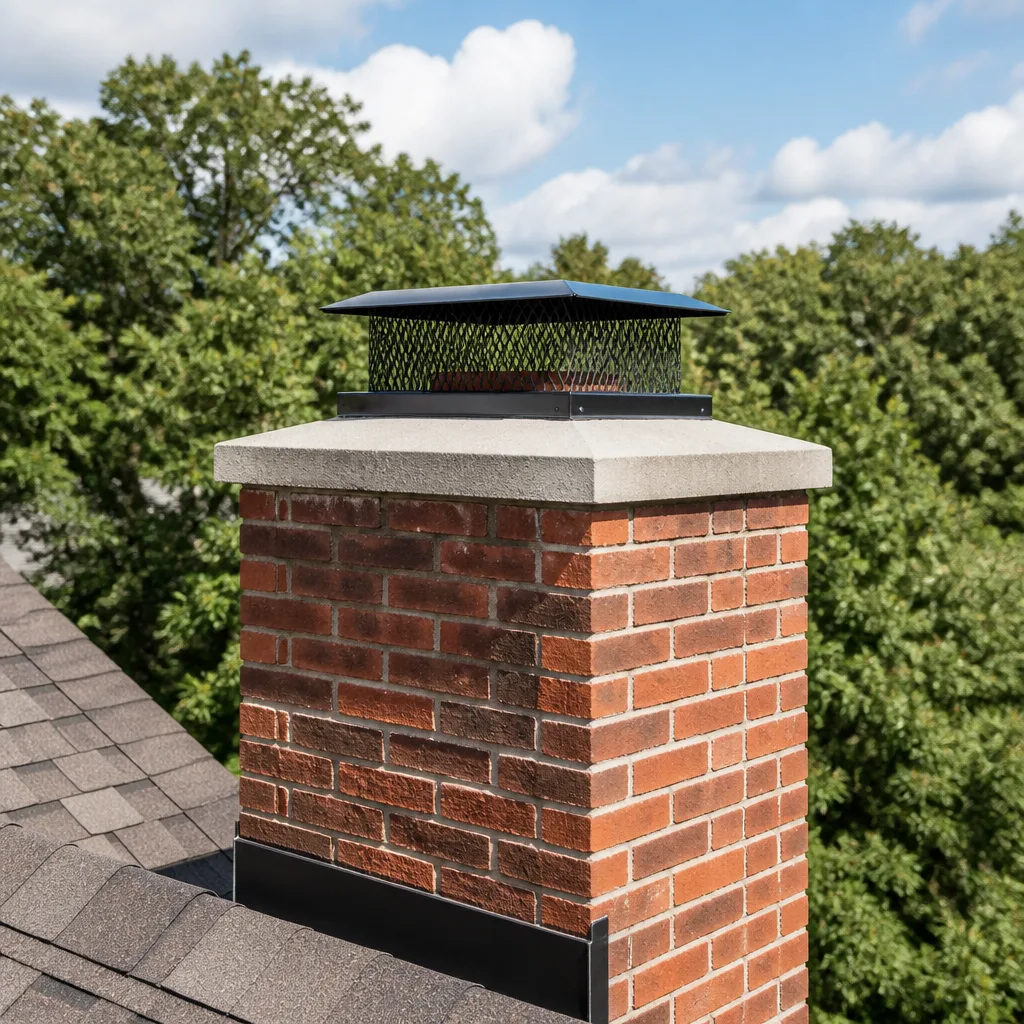
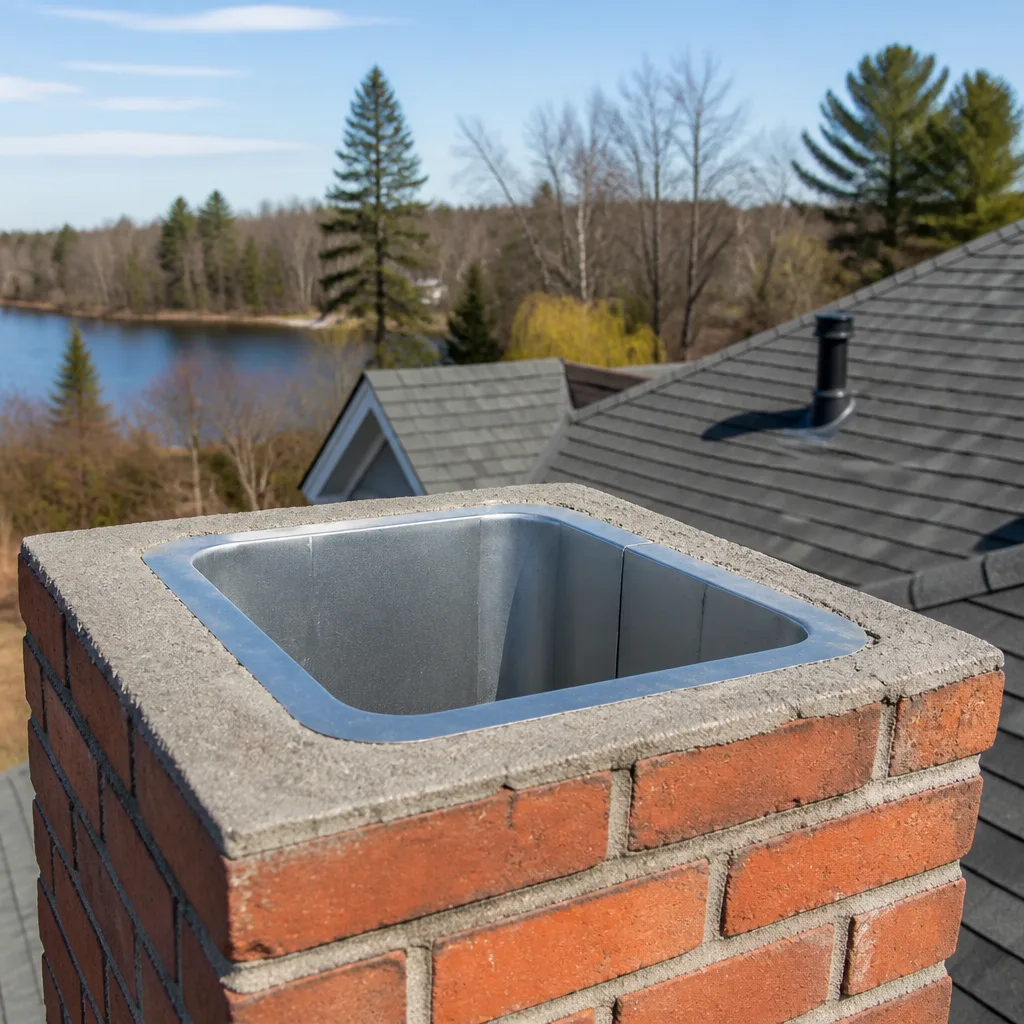
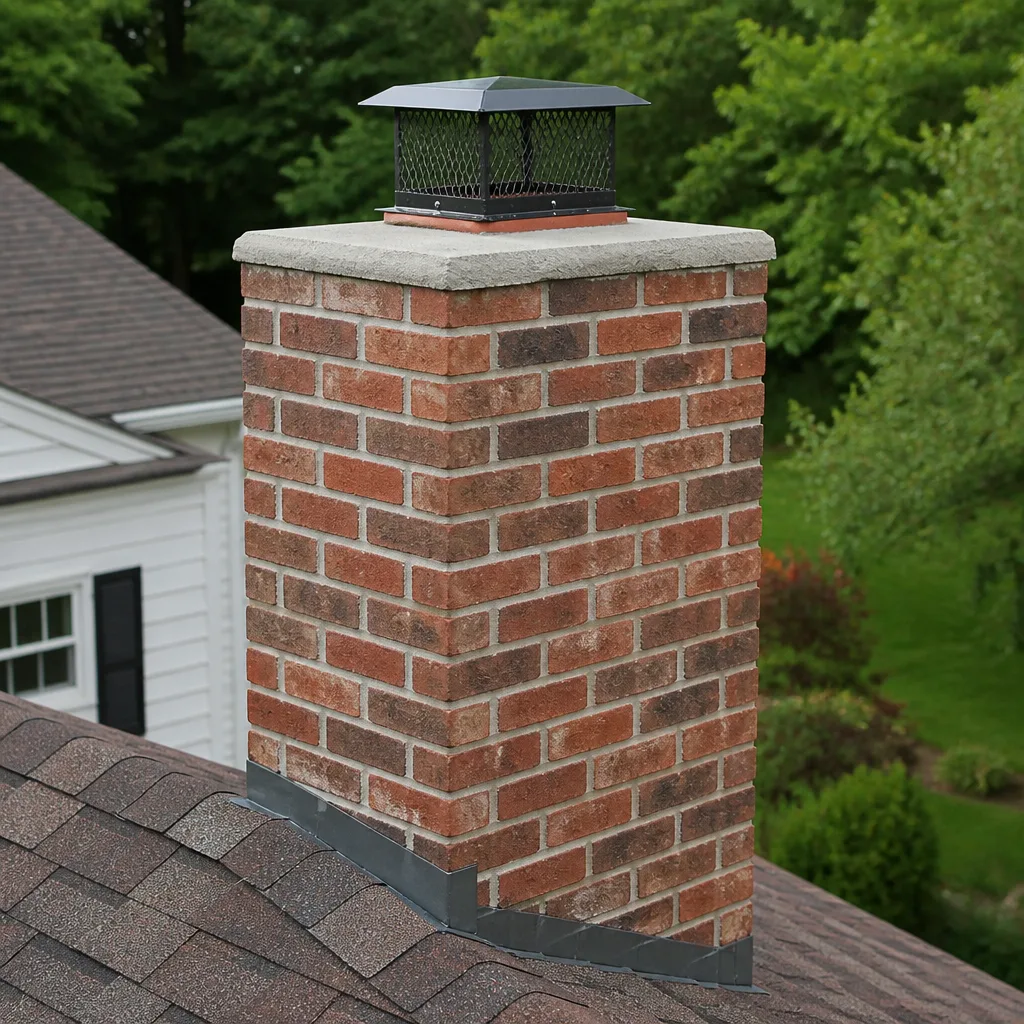
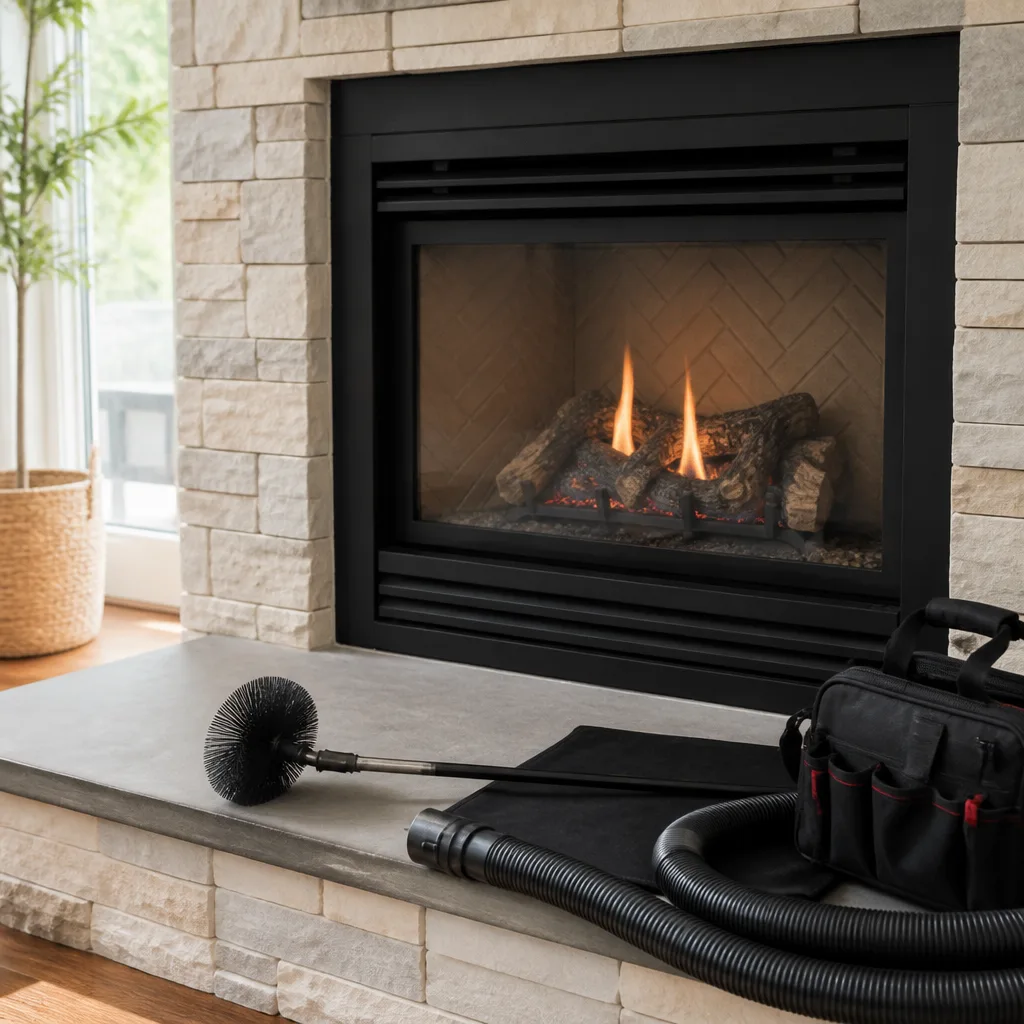
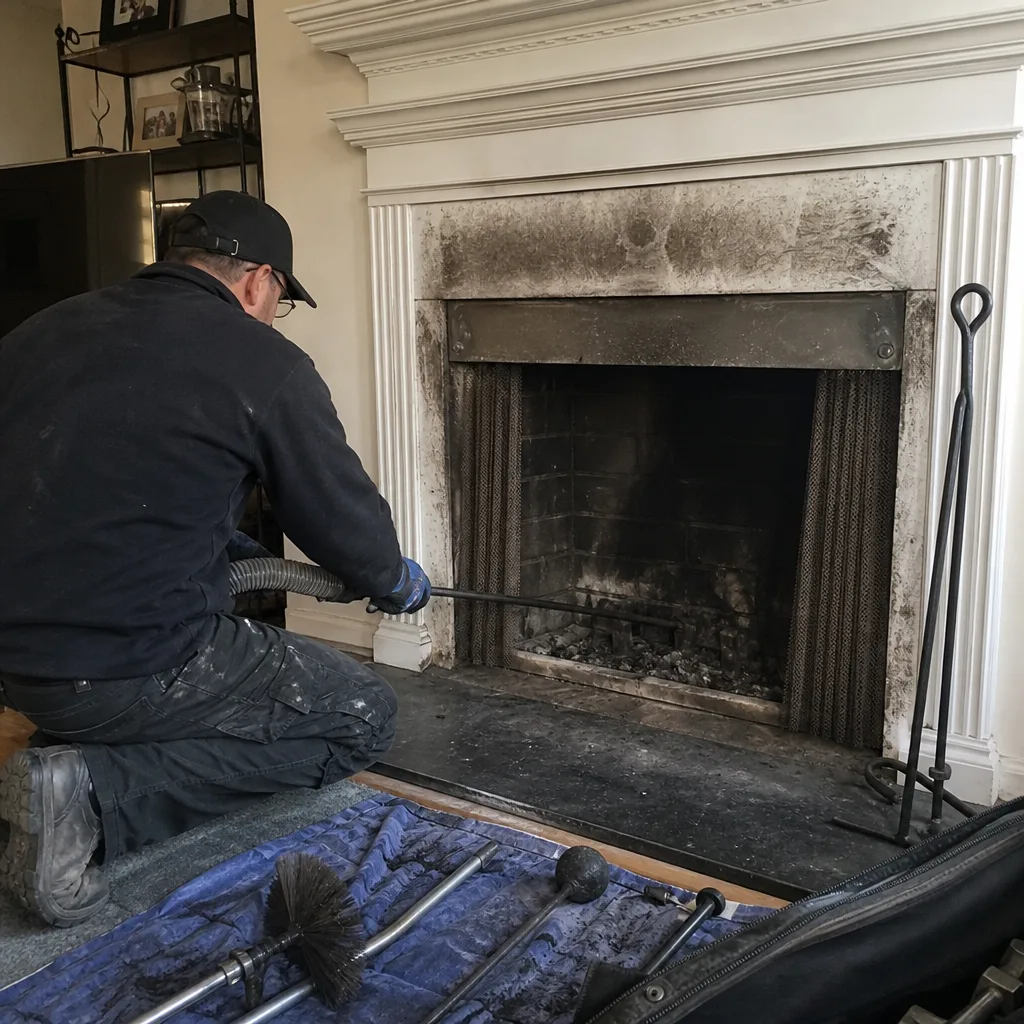 Before
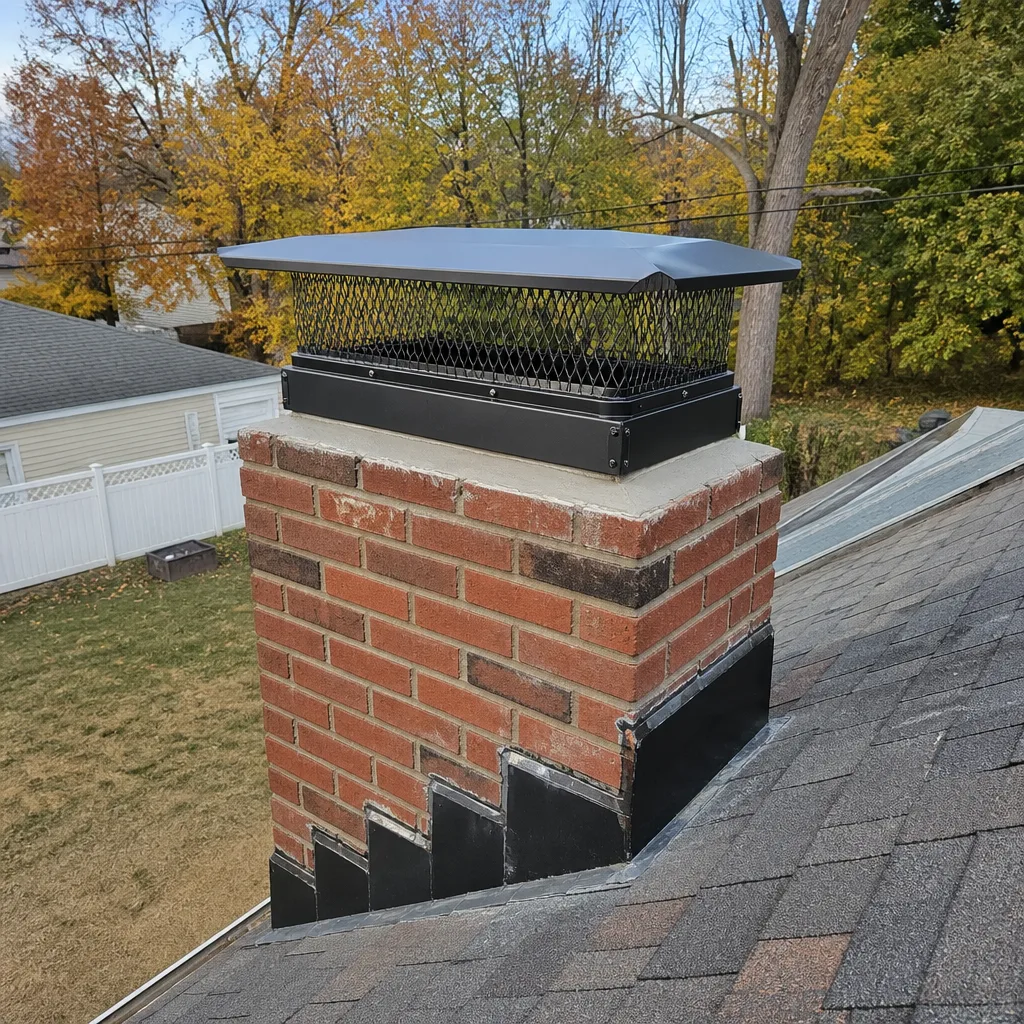 After
After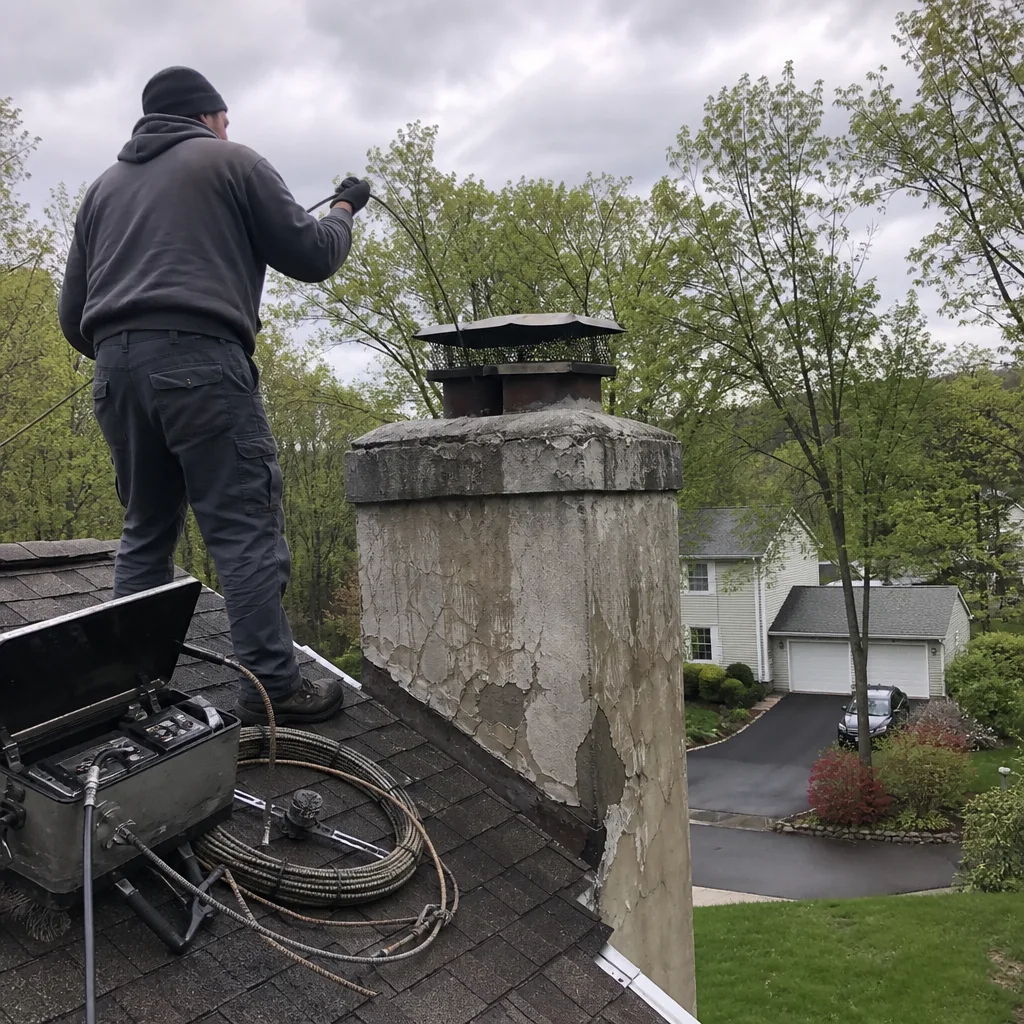 Before
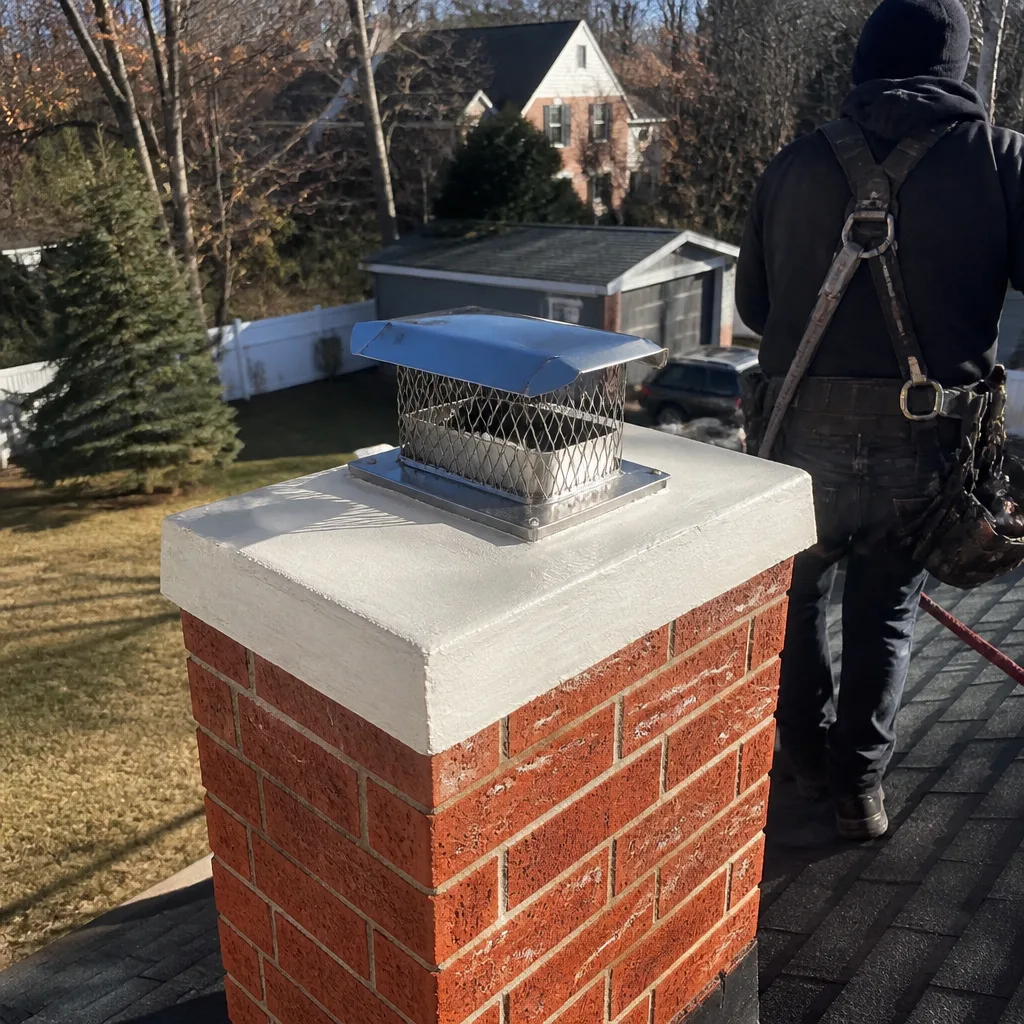 After
After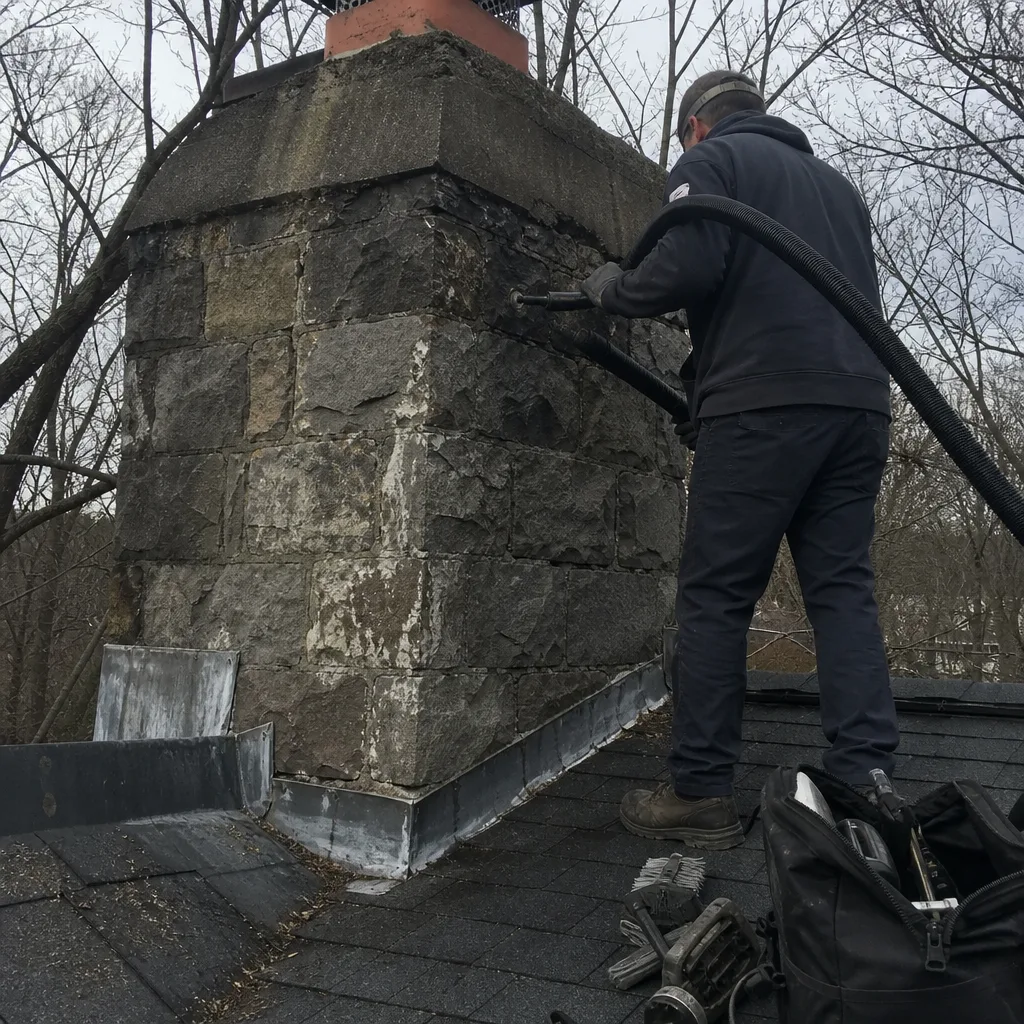 Before
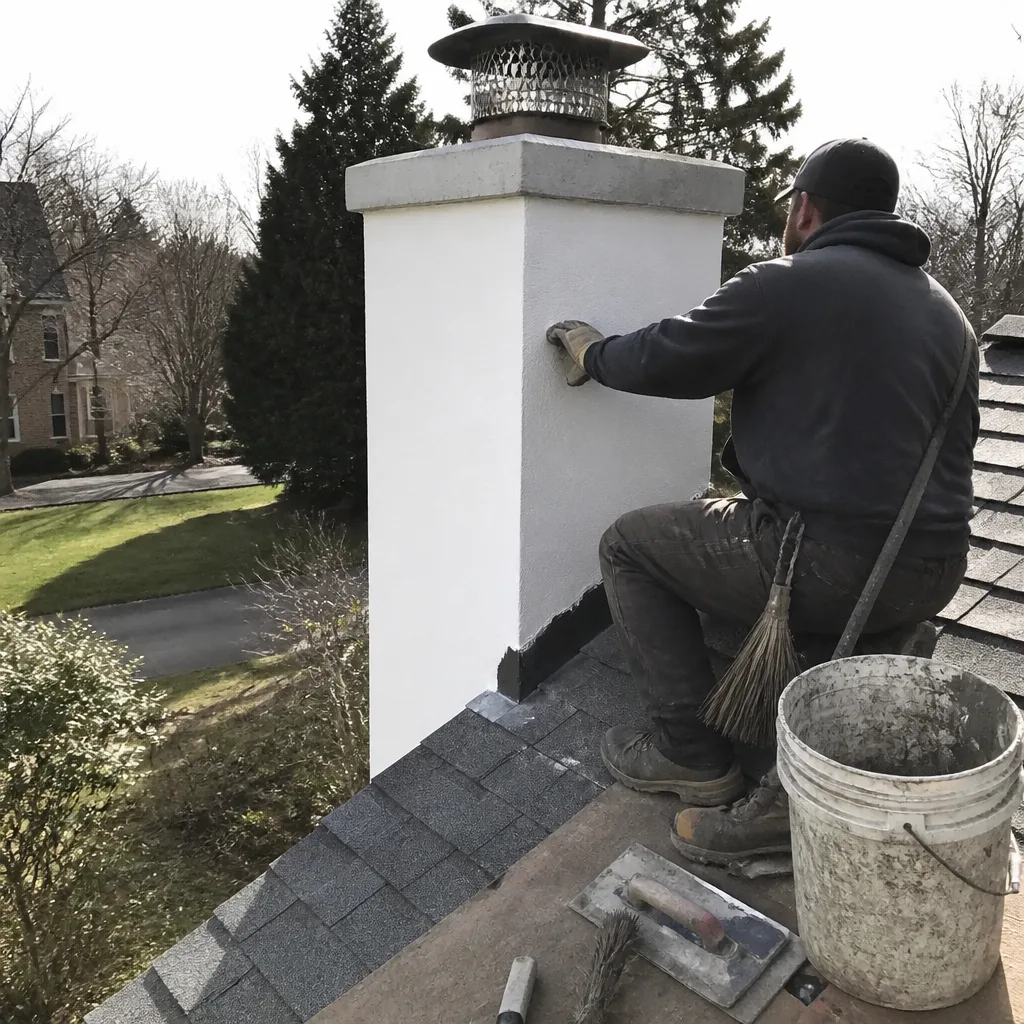 After
AfterChimney Cleaning Permits, Codes & Inspections in NY: What You Need to Know
Here’s the distinction that catches New City homeowners off guard: a chimney cleaning never requires a permit, but a chimney liner replacement almost always does. The trouble starts when a sweep discovers liner damage during routine maintenance and begins repair work without ever clarifying which side of that line they’ve crossed. We’ve seen it repeatedly in Rockland County - a homeowner thinks they’re paying for a standard sweep, only to learn months later, during a home sale or insurance claim, that the “repair” was performed without proper permitting on a fire-rated structural component. This guide - alongside our Complete Guide to Chimney Cleaning in New City - explains exactly where New York State draws the permit boundary, how Rockland County enforces it, and what you should verify before any contractor touches your chimney beyond a basic cleaning.
Quick Answer
Routine chimney cleaning and sweeping require no permit in New York State. However, chimney liner replacement, crown rebuilding, structural repair, or any alteration to clearances or termination height typically requires a permit under the New York State Residential Code, enforced locally by Rockland County or the municipality of New City. Homeowners should always verify active permits through the county’s public portal before work begins, and confirm that their contractor carries the proper license for the jurisdiction.
Table of Contents
- Cleaning vs. Repair: Where the Permit Line Is Drawn
- How the New York State Residential Code Applies to Chimney Work
- Rockland County and New City: Local Enforcement Layers
- NFPA 211: The Technical Standard Behind New York’s Chimney Rules
- How Unpermitted Work Affects Insurance Claims and Home Sales
- How to Verify a Permit Before Work Begins
- What Level-2 Inspections Actually Cover Under NY Code
- Common Mistakes to Avoid
- When to Call a Professional
- Frequently Asked Questions
- The Bottom Line
Cleaning vs. Repair: Where the Permit Line Is Drawn
The New York State Residential Code, based on the International Residential Code (IRC) with state amendments, treats chimney maintenance and chimney modification as two entirely different categories. Understanding this distinction protects you from both legal liability and the kind of surprise costs that emerge at closing.
Routine maintenance - no permit required:
- Chimney sweeping and cleaning of flue passages
- Removal of creosote, soot, and obstructions
- Basic firebox cleaning and damper adjustment
- Exterior brick washing and minor crown sealing with brush-applied products
- Installation of standard chimney caps that do not alter termination height or spark arrestor requirements
Repair or alteration - permit typically required:
- Chimney liner replacement or relining (stainless steel, aluminum, or cast-in-place)
- Crown rebuilding or pouring new concrete/mortar crowns
- Structural rebuilding of more than 25% of the chimney above the roofline
- Alteration of chimney height or termination configuration
- Repair or replacement of fire-rated assemblies (smoke chamber parge, hearth extensions)
- Installation of factory-built chimney systems or appliance connections
In our experience across New City and the surrounding Rockland County towns, the most common permit violation occurs during liner replacement. A sweep finds a deteriorated clay flue liner during a Level-2 inspection - often missing the chimney cleaning warning signs New City homeowners should watch for - quotes a stainless steel liner installation, and installs it without pulling the required permit. The homeowner pays the invoice, assumes the work is complete, and only discovers the problem when their insurance company requests permit documentation after a chimney fire - or when a buyer’s inspector flags unpermitted structural work during a home sale.
The 2021 New York State Residential Code, Section R1001, specifically requires permits for “construction, installation, alteration, or repair” of masonry chimneys. The 2024 amendments did not change this threshold. A cleaning is neither an alteration nor a repair. A liner replacement is both.
How the New York State Residential Code Applies to Chimney Work
New York adopted the IRC as its residential building code baseline, then layered state-specific amendments that affect chimney work in ways that matter for Rockland County homeowners. The code governs three technical areas that directly impact permit requirements: clearances, liner sizing, and structural integrity.
Clearance requirements (Section R1001.11):
The code mandates minimum clearances between chimney exteriors and combustible materials. For masonry chimneys, this is typically 2 inches from combustible framing, though reduced-clearance systems using listed chimney liners or heat shields can modify this with proper engineering documentation. Any modification to these clearances - including the installation of a new liner system that changes the thermal profile of the chimney - constitutes an alteration requiring permit review.
Liner sizing (Section R1001.12):
The cross-sectional area of a chimney flue must match the appliance it serves, with specific ratios for solid fuel (1:10), oil (1:7), and gas (1:7) appliances. A liner replacement that changes the flue diameter - common when upsizing to a stainless steel liner for a new insert - absolutely requires permit approval and often engineering review. We’ve encountered installations in New City where an oversized liner created drafting problems that the original contractor couldn’t diagnose, because the installation was never properly reviewed.
Structural integrity (Section R1001.4):
Chimneys must be structurally sound and capable of supporting their own weight plus lateral loads. Rebuilding a chimney above the roofline, or repairing substantial spalling or leaning, triggers structural review. The 25% threshold is the practical rule of thumb used by most Rockland County building departments: replace or rebuild more than a quarter of the visible structure, and you’ll need a permit.
The state code also references NFPA 211 as the technical standard for construction, maintenance, and inspection of chimneys - which brings us to how these standards actually function in practice.
Rockland County and New City: Local Enforcement Layers
New York State delegates building code enforcement to local jurisdictions. In Rockland County, this creates a two-layer system that confuses many homeowners. The county maintains a building department that issues permits and conducts inspections for unincorporated areas and certain municipalities. Incorporated villages and cities, including New City (which is a hamlet within the Town of Clarkstown), may enforce their own codes or contract with the county for services.
How jurisdiction works for New City properties:
- Determine whether your property lies within village boundaries or unincorporated Clarkstown. Most New City addresses fall under Town of Clarkstown jurisdiction, with Rockland County handling permit issuance.
- For properties in the unincorporated area, permits for chimney liner replacement, crown rebuilding, or structural repair are obtained through the Rockland County Building Department in New City.
- The county’s public permit portal allows homeowners to search active permits by address - a critical verification step we’ll detail below.
- Inspections are scheduled through the same portal, with final inspection required before the permit is closed.
Rockland County’s climate adds a local wrinkle that out-of-area contractors often miss. The freeze-thaw cycles in the Hudson Valley, particularly in hillside neighborhoods like those off South Mountain Road or in the higher elevations near Congers, accelerate masonry deterioration. A contractor familiar with Florida or even Long Island may not account for the thermal stress that New City chimneys experience. This isn’t directly a code issue, but it affects the scope of repair work - and whether that work crosses into permit territory.
The county also maintains specific requirements for contractor licensing that exceed state minimums. Any contractor performing permitted work in Rockland County must hold a valid home improvement contractor license from the Rockland County Consumer Protection Division. This is separate from a business license and separate from any professional certifications. We’ve encountered out-of-county sweeps who hold CSIA certification but lack the county license required to pull permits - a distinction that leaves the homeowner holding the liability bag.
NFPA 211: The Technical Standard Behind New York’s Chimney Rules
Every reference to “proper construction” or “approved methods” in the New York State Residential Code ultimately traces back to NFPA 211: Standard for Chimneys, Fireplaces, Vents, and Solid Fuel-Burning Appliances. This standard, published by the National Fire Protection Association, is not itself law - but New York’s code adopts it by reference, making its provisions legally enforceable.
NFPA 211 covers technical specifications that determine whether chimney work is code-compliant, which in turn affects whether permitted work will pass inspection. Three areas matter most for New City homeowners:
Clearance to combustibles (Chapter 6):
NFPA 211 specifies that factory-built chimneys and listed liner systems must maintain manufacturer-specified clearances, which are often more restrictive than generic code minimums. A liner installation using DuraFlex stainless steel, for example, must follow DuraFlex’s listed clearance requirements - typically 1/2 to 2 inches depending on the product line - not just the IRC’s generic 2-inch masonry rule. Inspectors in Rockland County check for the manufacturer’s installation certificate, not just visual clearance.
Liner sizing and connections (Chapter 12):
The standard requires that chimney liners be sized according to the appliance’s listed input rating and the chimney’s total height. An improperly sized liner creates drafting problems, condensation damage, and carbon monoxide risk. NFPA 211 also mandates proper connections at both the appliance collar and the chimney top, with specific requirements for flexible liner terminations. HeatShield cast-in-place liner systems, which we use for certain restoration applications, must be applied to manufacturer specifications for thickness and curing - specifications that Rockland County inspectors verify.
Termination height and spark arrestors (Chapter 7):
Chimneys must terminate at least 3 feet above the roof penetration and 2 feet higher than any portion of the structure within 10 feet. Any cap or spark arrestor installation that modifies this height configuration requires permit review. In New City’s wooded areas, particularly near Rockland Lake and Hook Mountain, spark arrestor requirements are strictly enforced due to wildfire risk.
NFPA 211 also establishes the inspection protocols that New York codes reference. A Level-2 inspection - the type required during real estate transactions or after chimney damage - includes video scanning of the flue interior, accessible portions of the smoke chamber, and the exterior structure. The standard does not require photo documentation, but Rockland County inspectors and reputable contractors provide it as a matter of course. Our Level-2 inspections end with photos the homeowner can see and a plain-English verdict - documented like an engineer, explained like a craftsman.
How Unpermitted Work Affects Insurance Claims and Home Sales
This is where the permit question stops being technical and becomes personal. Unpermitted chimney work can void coverage when you need it most, and it surfaces most often in two scenarios: after a fire, and during a home sale.
Insurance claim denials:
Standard homeowner policies contain a maintenance and compliance clause that excludes coverage for damage resulting from “faulty, inadequate, or defective construction” or from failure to comply with building codes. The exact language varies by carrier, but the pattern is consistent. After a chimney fire, the insurer’s adjuster requests permit documentation for any recent liner or structural work. No permit means no proof that the work met code - and the insurer shifts liability to the homeowner.
We’ve reviewed claim denials where the insurer cited unpermitted liner installation as the proximate cause of a chimney fire, even when the fire originated in user error (improper fuel loading). The argument: an unpermitted, uninspected liner may have contributed to creosote buildup through improper sizing or inadequate draft. The homeowner, not the installer, bears the burden of proof.
In New City’s older housing stock - the colonials and Cape Cods built in the 1950s and 1960s near Main Street and the post-war ranches off Germonds Road - original clay liners are often deteriorated. Liner replacement is common. So is the temptation to use the lowest bidder, who may skip permitting to undercut legitimate contractors by $300-500. That savings evaporates when a $50,000 fire claim is denied.
Home sale complications:
Rockland County requires a Certificate of Occupancy or compliance letter for most residential sales. Unpermitted chimney work appears in building department records - or rather, its absence appears. A buyer’s inspector who notes new liner work without a matching permit creates a closing contingency. The seller must then obtain retroactive permitting, which involves opening walls, exposing work for inspection, and often correcting deficiencies. The cost typically exceeds the original installation by a factor of two or three.
We’ve been called to New City homes where the seller, two weeks from closing, discovered that the “great deal” liner installation from five years prior was completely unpermitted. In one case on Call Hollow Road, the unlicensed contractor had used automotive exhaust pipe instead of listed chimney liner. The entire installation had to be removed and replaced, with proper permits, before the sale could proceed. The original “savings” cost the homeowner $4,200 in emergency repairs and nearly derailed the transaction.
How to Verify a Permit Before Work Begins
Verification is straightforward and takes ten minutes. Any contractor who resists this process is telling you something important about how they operate.
- Ask for the permit application number before work starts. A legitimate contractor pulling a permit in Rockland County receives an application number immediately upon submission. This is not the final permit number - that comes after plan review - but it confirms the process has begun.
- Search the Rockland County public permit portal. The county maintains an online database where permits can be searched by property address, permit number, or contractor name. Enter your address and verify that an active application exists for the scope of work described.
- Confirm the scope matches the quote. The permit application should describe the work accurately - “chimney liner replacement, stainless steel, oil-fired boiler” not vague language like “chimney repair.” Mismatched scope is a red flag for either unpermitted additional work or a contractor using a generic permit for multiple jobs.
- Verify contractor licensing. The permit applicant should match the contractor performing the work. Rockland County requires the licensed contractor to be the permit holder. A permit in another company’s name, or in the homeowner’s name with the contractor listed only as “agent,” suggests the actual worker lacks proper licensing.
- Schedule the inspection. For liner installations and structural repairs, Rockland County requires both rough and final inspections. The rough inspection occurs before closure of walls or concealment of work; the final confirms proper termination and clearances. Confirm with your contractor that they will schedule both, and that you will receive inspection sign-off documentation.
- Request the Certificate of Completion. After final inspection approval, the county issues a Certificate of Completion or similar closing document. This is your proof of compliant work. Store it with your home records - you’ll need it for insurance claims, future sales, or warranty service.
If a contractor tells you that permits “aren’t necessary for this type of work” or that they’ll “handle it after the fact,” stop the conversation. Post-facto permitting in Rockland County requires exposing completed work for inspection, and the county charges significantly higher fees for retroactive applications. More importantly, the contractor’s willingness to bypass the system suggests how they’ll handle other corners.
What Level-2 Inspections Actually Cover Under NY Code
New York’s adoption of NFPA 211 makes Level-2 inspections the standard of care for real estate transactions, appliance changes, and suspected damage. But “Level-2” is often used as marketing language without substance. Here’s what the standard actually requires, and what Rockland County inspectors expect to see documented.
Required elements of a Level-2 inspection:
- Visual examination of readily accessible portions of the chimney exterior, interior, and connecting appliances
- Video scanning or visual inspection of the flue interior along its full length
- Examination of accessible portions of the smoke chamber, firebox, and hearth
- Assessment of clearances to combustibles in accessible locations
- Verification of proper chimney termination height and configuration
- Documentation of findings with recommendations for repair, maintenance, or further evaluation
What Level-2 does NOT include:
- Removal of permanently attached components or destruction of finish materials
- Inspection of concealed portions of the structure without owner authorization
- Testing of appliance function or fuel system integrity (these require separate HVAC or plumbing licensure)
- Guarantee of future performance or prediction of remaining service life
In New City, where many homes have masonry fireplaces original to construction, the smoke chamber is a common failure point that standard sweeps miss. The smoke chamber - the area above the damper that funnels smoke into the flue - must be parged smooth to reduce turbulence and creosote accumulation. NFPA 211 requires this parging be maintained, but a basic cleaning doesn’t inspect it. Our Level-2 inspections include smoke chamber evaluation, with photo documentation, because we’ve seen too many “clean” chimneys with severely deteriorated smoke chambers that present immediate fire hazards.
The code also requires that inspection documentation be provided to the homeowner. A verbal summary is insufficient. We provide a written report with embedded photos, a plain-English verdict, and prioritized recommendations - what’s urgent, what should be scheduled, and what can be monitored. Photos you can see, a plain-English verdict. Done right - and we stand behind it.
Common Mistakes to Avoid
- Assuming cleaning and repair are the same permit category. They are not. A sweep who begins liner replacement without discussing permits has either crossed into unpermitted work or doesn’t understand the distinction themselves.
- Hiring based on lowest price without verifying licensing. In Rockland County, unlicensed contractors often undercut legitimate operators by 20-30% by skipping permits, insurance, and proper materials. The savings are borrowed against future liability.
- Failing to match permit scope to quoted scope. A permit for “chimney cap installation” does not cover liner replacement. Verify that the described work matches what you’re paying for.
- Accepting “the homeowner pulls the permit” as normal practice. In New York, the contractor performing the work should be the permit holder. A contractor who asks you to pull the permit is likely unlicensed or avoiding accountability.
- Neglecting to request final inspection documentation. Without the Certificate of Completion, you have no proof of compliant work for insurance or sale purposes. Many homeowners never receive this document because the contractor never scheduled final inspection.
- Ignoring local climate factors in material selection. New City’s freeze-thaw cycles destroy improper materials. We’ve replaced “stainless steel” liners that were actually galvanized steel, installed by out-of-area contractors who didn’t understand Hudson Valley weather. Famco and Copperfield caps with proper powder coating, and DuraFlex liners with appropriate alloy selection, withstand these conditions.
When to Call a Professional
Call a licensed, permitted professional when any work extends beyond routine cleaning - our Chimney Cleaning & Sweep Maintenance Checklist for New City Homeowners can help you spot these issues early: liner damage, crown cracks that admit water, smoke chamber deterioration, or structural spalling. The permit question is a useful filter - a contractor who handles permitting properly is likely handling other details correctly too.
In New City, Hearthstone Chimney Co. offers free estimates with no obligation. We’ll assess your chimney, explain what category your needs fall into, and show you the photos so you can see for yourself. If a permit is required, we pull it, schedule inspections, and provide completion documentation. A square deal: no surprises on the bill. Call (845) 599-0930 to schedule.
Frequently Asked Questions
No. Routine chimney cleaning, sweeping, and creosote removal are maintenance activities that do not require a permit under the New York State Residential Code. However, if the sweep discovers damage and proposes repair work - liner replacement, crown rebuilding, or structural repair - that work typically requires permitting. Call (845) 599-0930 for a free estimate if you’re unsure what category your chimney needs fall into.
Chimney liner replacement in the New City market typically ranges from $2,800 to $5,500 for a standard single-flue stainless steel installation, depending on flue length, diameter, appliance type, and accessibility factors like roof pitch. Cast-in-place restoration using HeatShield or similar systems runs higher, from $4,500 to $7,500, but preserves historic masonry profiles that rigid liners cannot match. These ranges include permitting costs in Rockland County. Call (845) 599-0930 for an exact quote - estimates are free.
The National Fire Protection Association recommends annual inspection for all chimneys, with cleaning frequency determined by use and fuel type. In New City, where many homeowners burn cordwood from the Hudson Valley for supplemental heat, we typically recommend sweeping after every cord of seasoned hardwood or annually, whichever comes first. Oil and gas systems require less frequent cleaning but still need annual inspection for liner integrity and draft performance. The 90-Day Done Right Promise covers our sweep and inspection work - in writing, no arguing.
You need a new liner when the existing one is damaged, improperly sized, or missing - conditions we confirm with camera inspection, not guesswork. Cracked clay tiles, gaps between tile sections, or flue gasses leaking into chimney walls are definitive failures. In New City’s older homes, we’ve also found unlined brick chimneys serving modern appliances, which violates current code and creates carbon monoxide risk. We show you the camera footage and explain whether replacement is urgent, schedulable, or unnecessary. Nothing is recommended without photo evidence you can see for yourself.
Skipped maintenance leads to creosote accumulation, which causes chimney fires - over 25,000 annually in the U.S., according to the Consumer Product Safety Commission. In New City’s climate, moisture infiltration from deteriorated crowns or flashing accelerates masonry damage during freeze-thaw cycles. The result is often a $15,000-40,000 rebuild that annual sweeping and timely crown repair would have prevented. Carbon monoxide intrusion from liner failure is the less visible but more lethal risk. Call (845) 599-0930 to schedule before burning season.
Yes. Rockland County maintains a public permit portal where you can search by property address, permit number, or contractor name. Active permits, inspection schedules, and completion status are all visible. We recommend verifying any permit application number your contractor provides before work begins, and confirming that the permit scope matches your quoted work. If you need assistance interpreting what you find, call us at (845) 599-0930 - we’ll walk you through it.
The Bottom Line
The permit line is clear once you know where to look: cleaning is maintenance, liner replacement is alteration. New York State and Rockland County enforce this distinction because chimney failures damage more than individual homes - they threaten adjacent properties and emergency responders. The paperwork protects you financially, the inspection protects you physically, and the verification process protects you from contractors who treat both as optional. In New City, where we’ve swept and repaired chimneys for over 42 years, we’ve learned that the homeowners who ask about permits upfront are the ones who never call us in a panic before closing. Ask. Verify. Keep the documentation. Done right - and we stand behind it.
Written by Russell Haines, Owner at Hearthstone Chimney Co., serving New City since 2014.